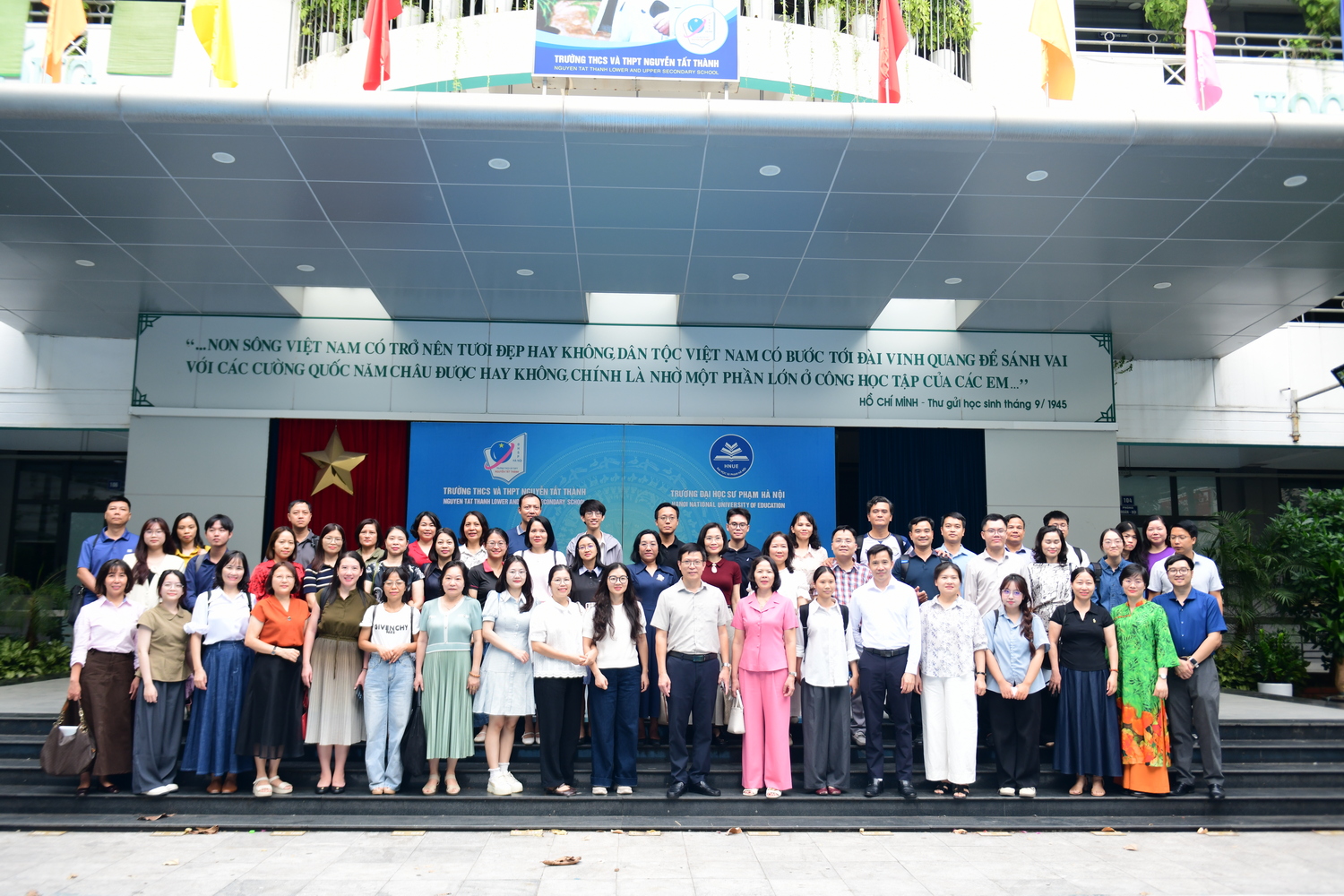
gày 24/10/2026, Trường THCS và THPT Nguyễn Tất Thành đã chủ trì tổ chức buổi sinh hoạt chuyên môn giáo vụ môn Vật lí cấp Cụm THPT số 2 đầu năm học 2026 - 2027. Với sự tham gia của các giáo viên Vật lí trong Cụm, chương trình tập trung thống nhất các nhiệm vụ chuyên môn trọng tâm, cập nhật xu hướng đổi mới dạy học và ứng dụng trí tuệ nhân tạo (AI). Đây cũng là cơ hội để các thầy cô chia sẻ kinh nghiệm, cùng tháo gỡ những khó khăn trong thực tiễn giảng dạy, góp phần nâng cao chất lượng giáo dục tại các nhà trường.
Năm học 2026 - 2027 đặt ra những yêu cầu mới đối với việc nâng cao chất lượng giáo dục, đặc biệt trong bối cảnh chuyển đổi số đang tác động mạnh mẽ đến hoạt động dạy và học. Đối với môn Vật lí, việc khai thác hiệu quả các ứng dụng công nghệ, tăng cường tính trực quan và gắn kiến thức với thực tiễn ngày càng trở nên cần thiết. Trên tinh thần đó, chương trình sinh hoạt chuyên môn được xây dựng với những nội dung thiết thực, chú trọng khả năng vận dụng các phương pháp và công cụ hiện đại vào từng bài học, đáp ứng yêu cầu đổi mới giáo dục trong giai đoạn hiện nay.
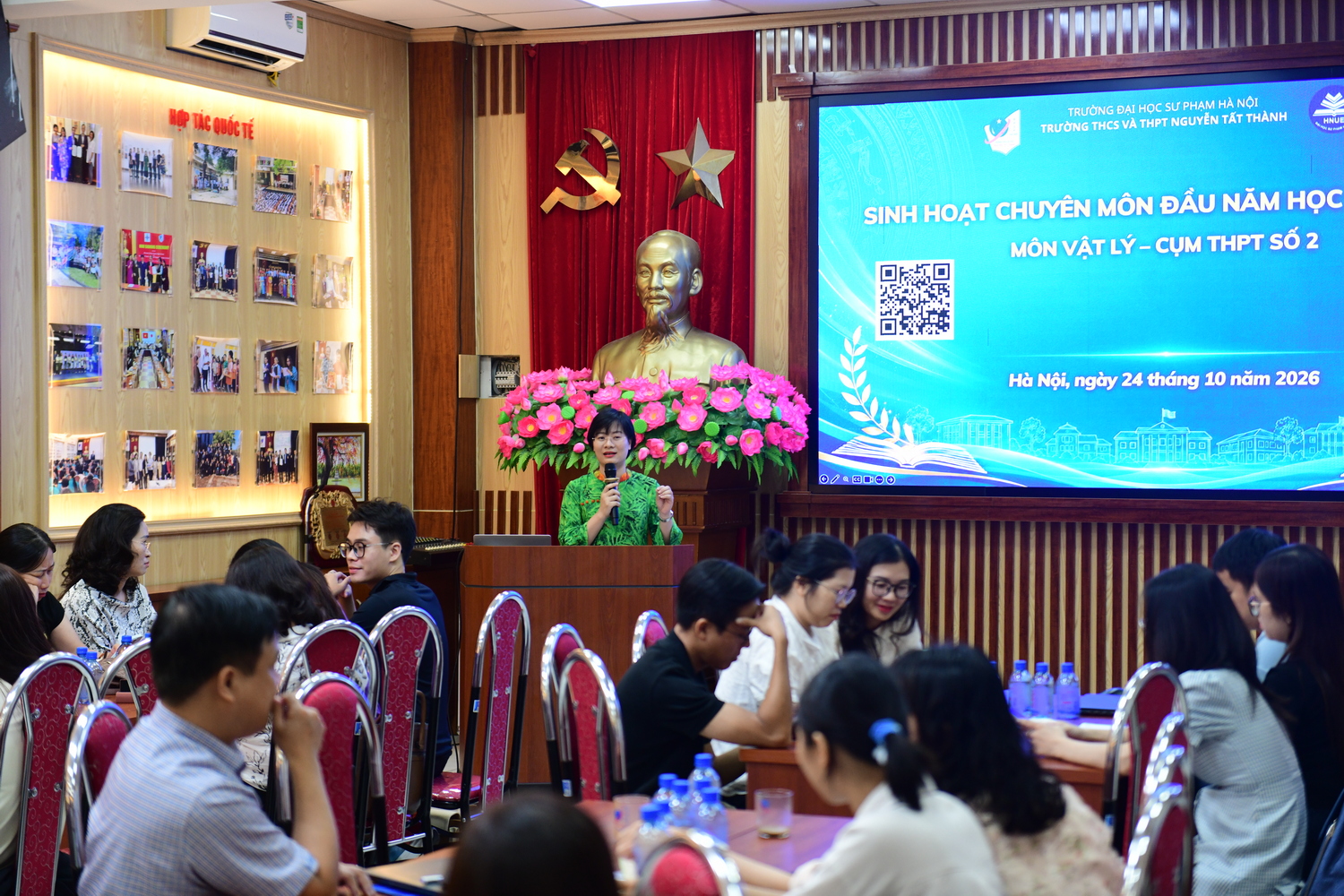
Cô giáo Nguyễn Thị Lâm Quỳnh giới thiệu nội dung chương trình.
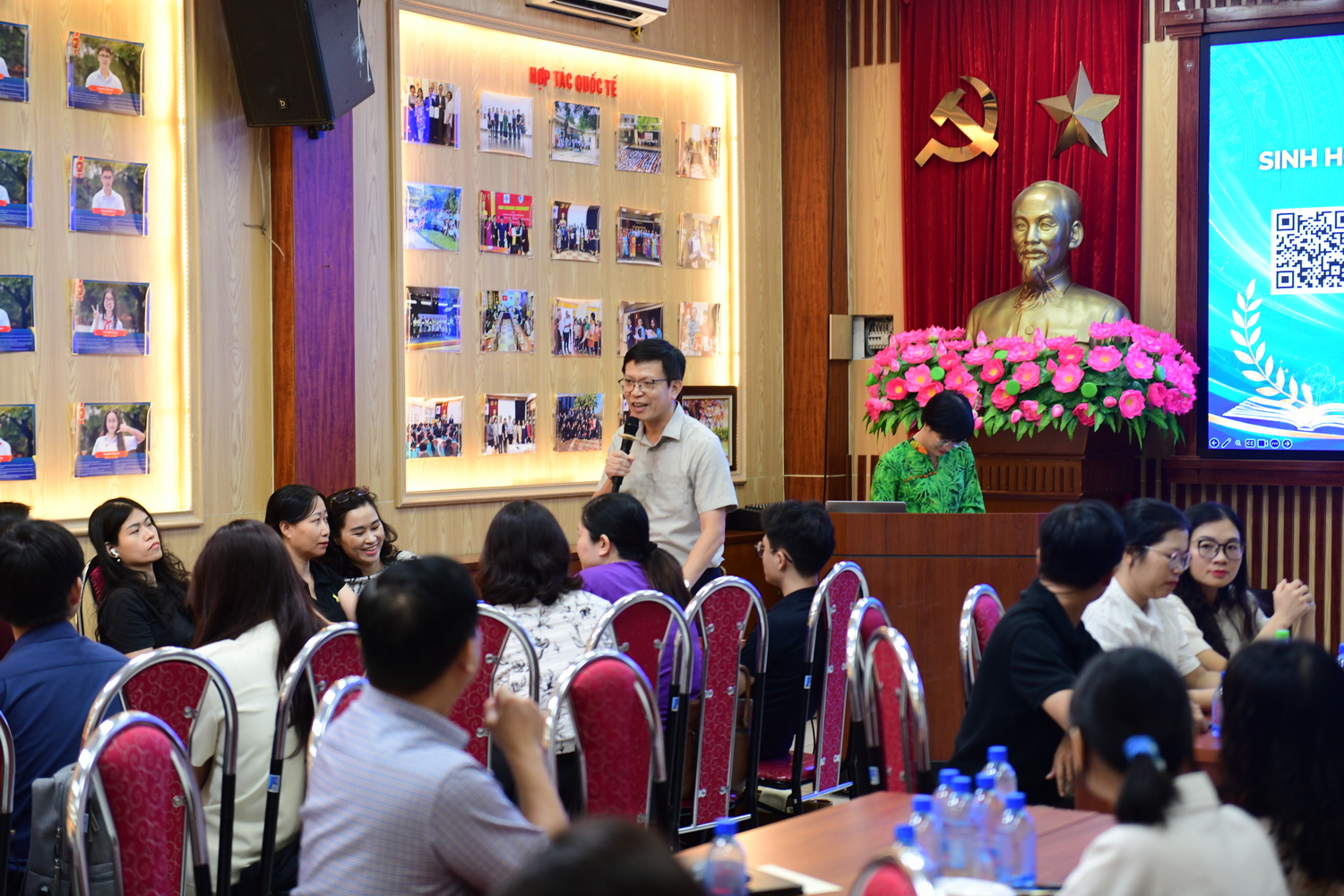
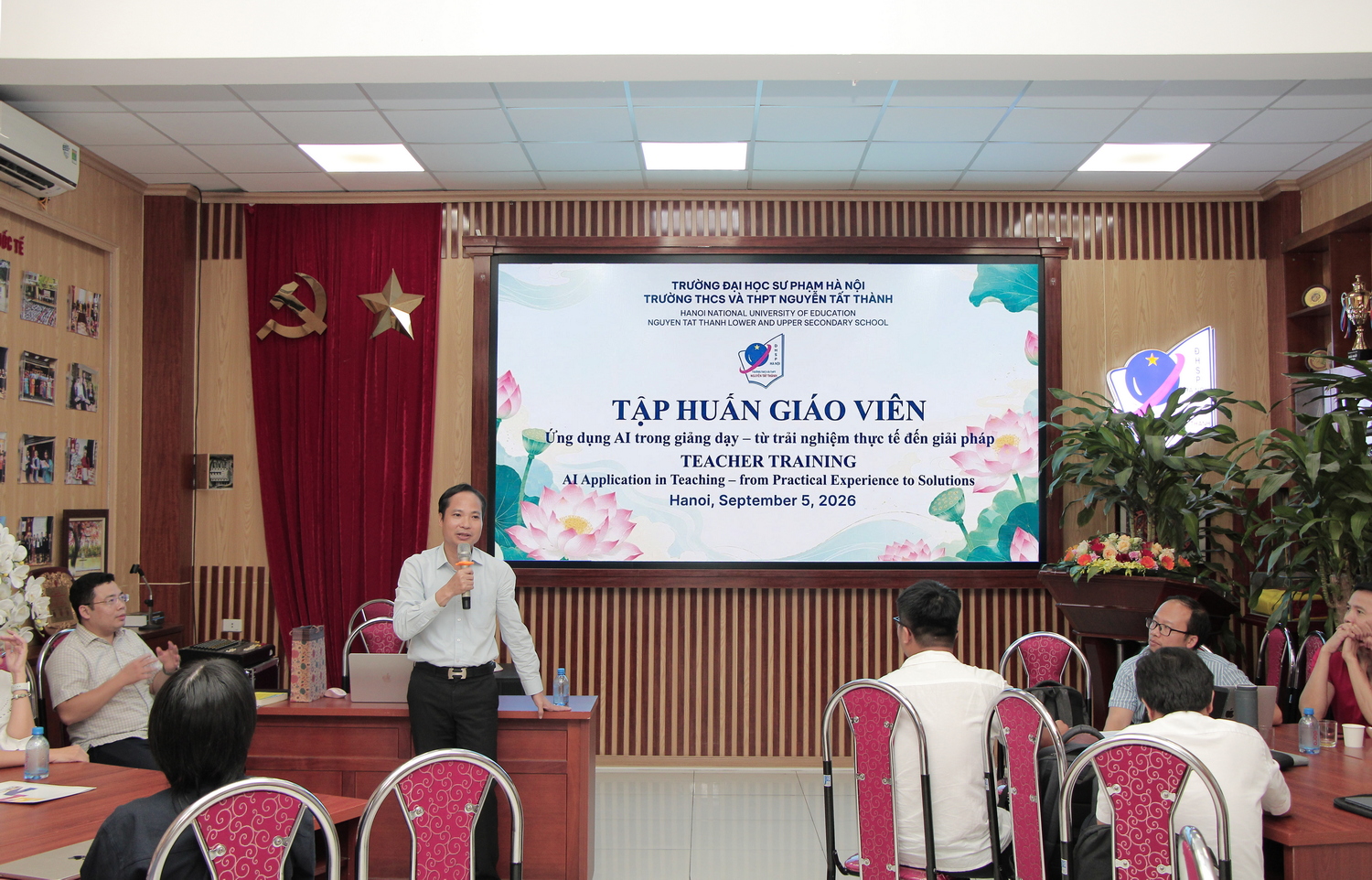
Thầy Lê Văn Cường, Phó Hiệu trưởng Trường THCS và THPT Nguyễn Tất Thành, phát biểu tại buổi sinh hoạt.
Mở đầu phần báo cáo, thầy Nguyễn Phi Long (Trường THPT Tây Hồ) đã trình bày tham luận về định hướng nhiệm vụ năm học 2026 – 2027 môn Vật lí. Bản báo cáo đã hệ thống hóa các chỉ đạo trọng tâm từ Sở Giáo dục và Đào tạo Hà Nội, đồng thời đề ra những giải pháp thiết thực nhằm nâng cao chất lượng dạy và học môn Vật lí trong toàn Cụm THPT số 2.
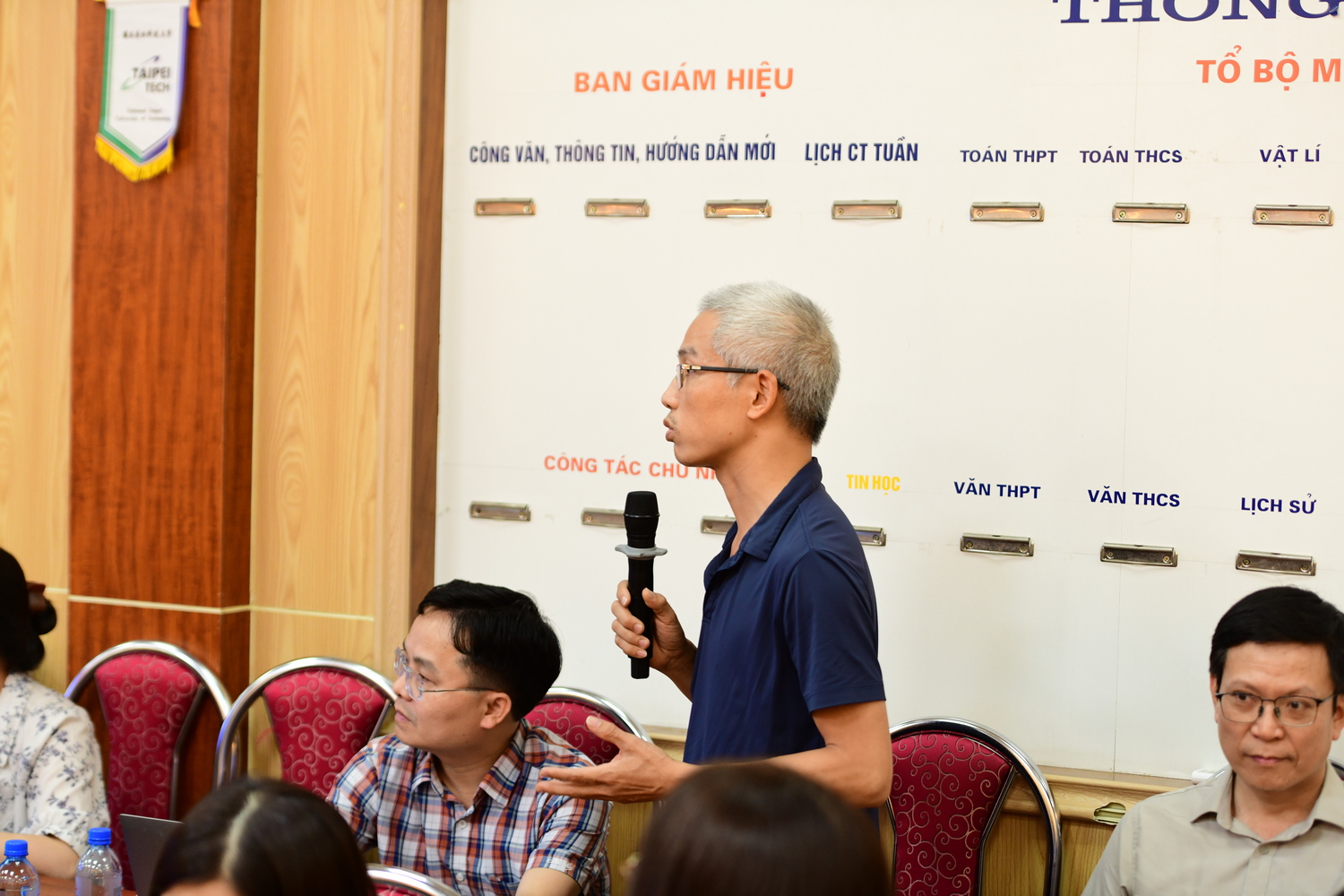
Thầy Nguyễn Phi Long trình bày báo cáo định hướng nhiệm vụ năm học 2026 - 2027 môn Vật lí.
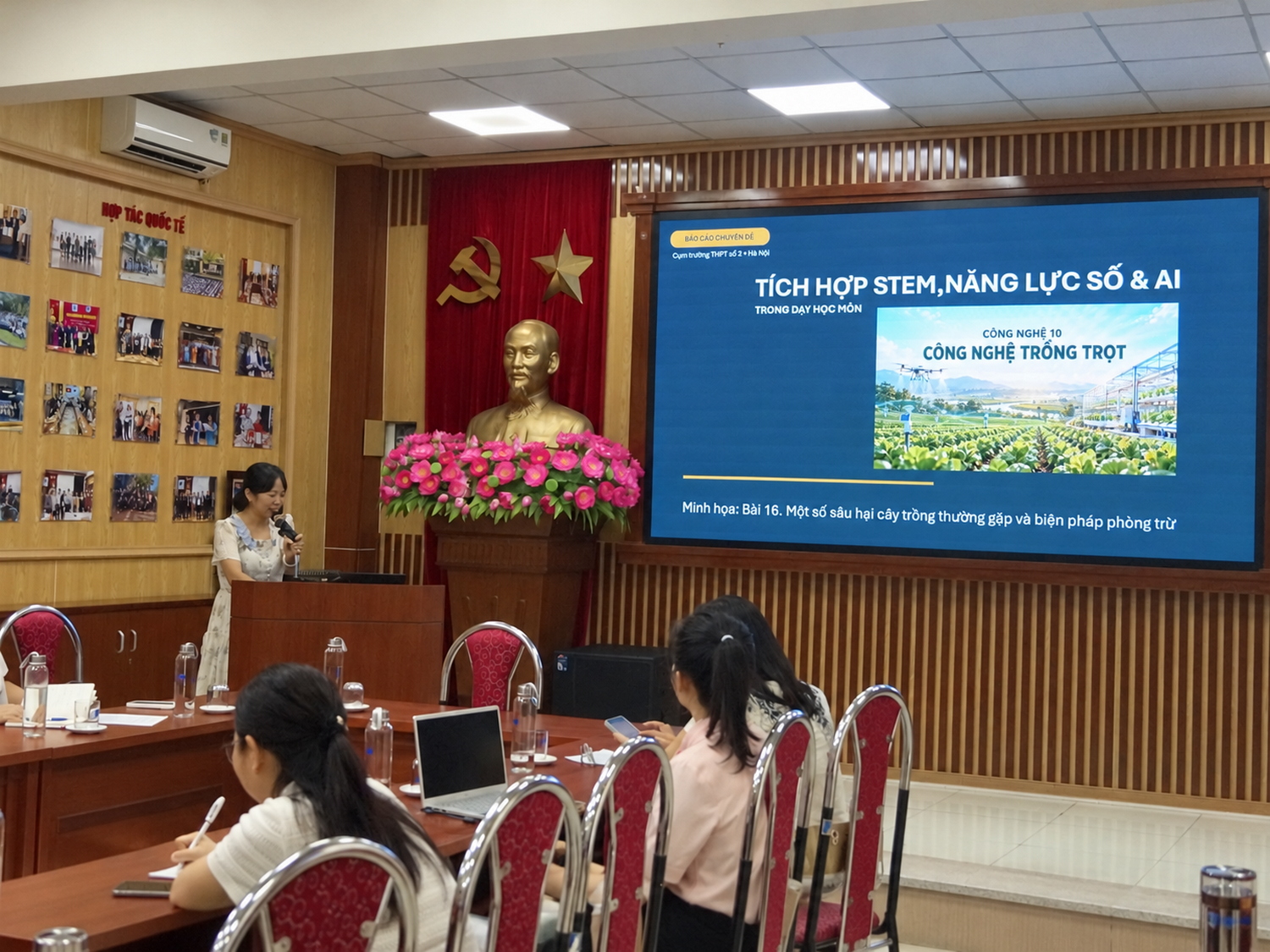
Tiếp theo là phần trình bày của thầy Lưu Văn Hợi (Trường THPT Nguyễn Trãi) và thầy Lê Văn Bình (Trường THPT Hà Thành) về chủ đề “Phát triển năng lực số và giáo dục AI trong môn Vật lí”. Trong bối cảnh chuyển đổi số đang diễn ra mạnh mẽ, hai thầy đã giới thiệu những phương pháp tích hợp công nghệ hiện đại, công cụ trí tuệ nhân tạo (AI) vào việc xây dựng bài giảng, tạo mô hình mô phỏng hiện tượng vật lí trực quan và nâng cao tính tương tác cho học sinh.
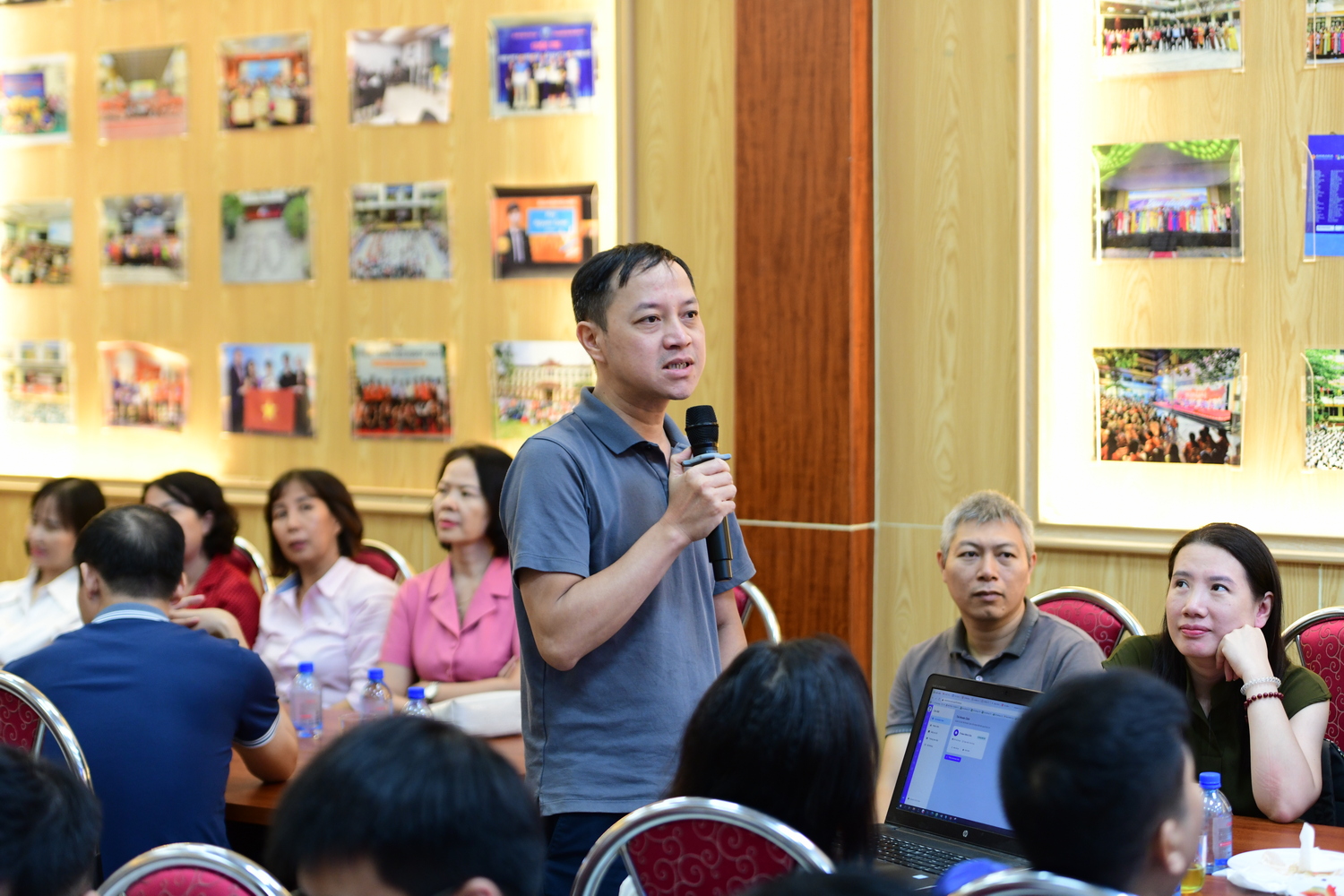
Thầy Lưu Văn Hợi và thầy Lê Văn Bình báo cáo chuyên đề về phát triển năng lực số và giáo dục AI trong môn Vật lí.
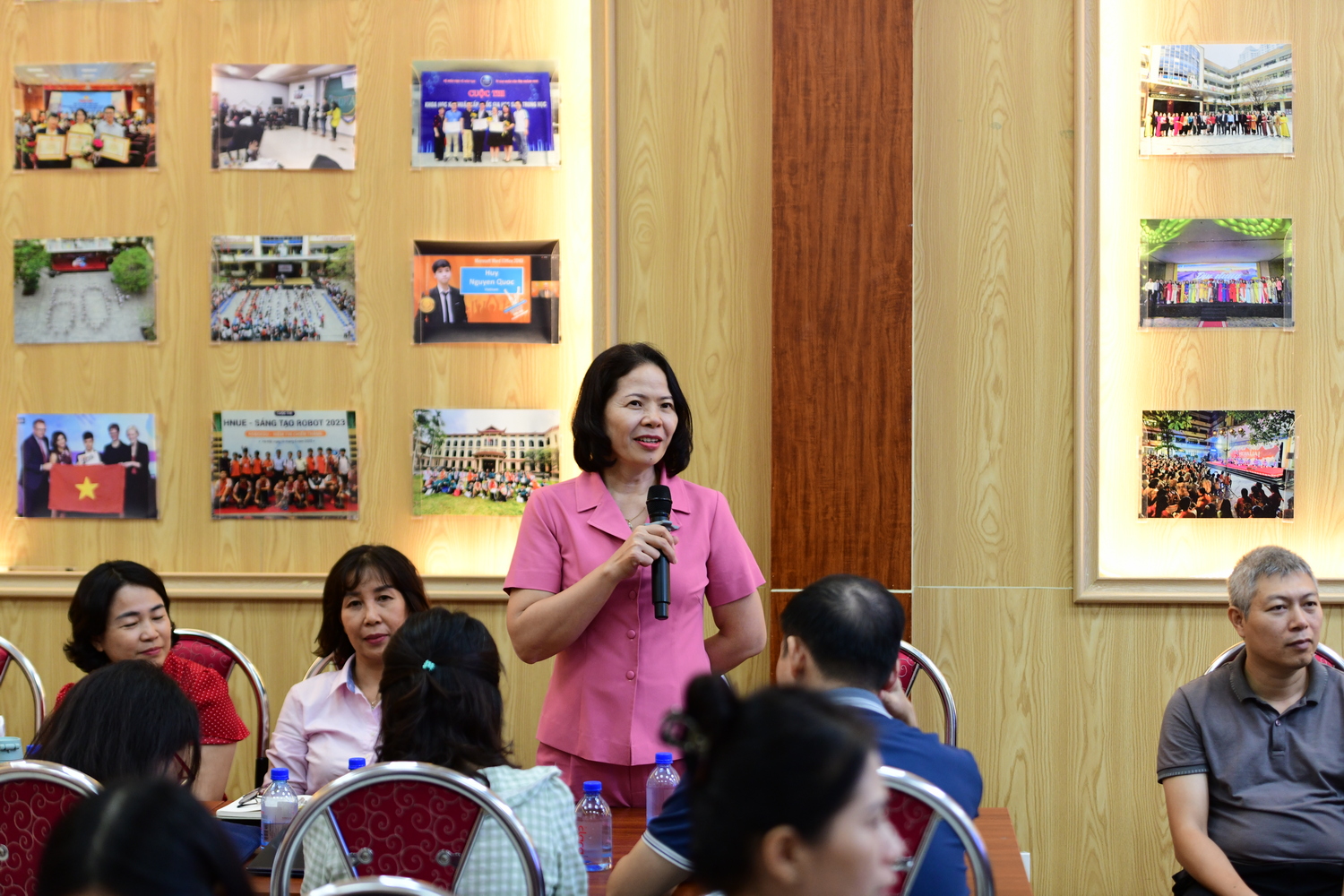
Cô Nguyễn Phương Lan (Trường THPT Cầu Giấy) trình bày nội dung về kế hoạch giáo dục môn học và đổi mới kiểm tra, đánh giá.
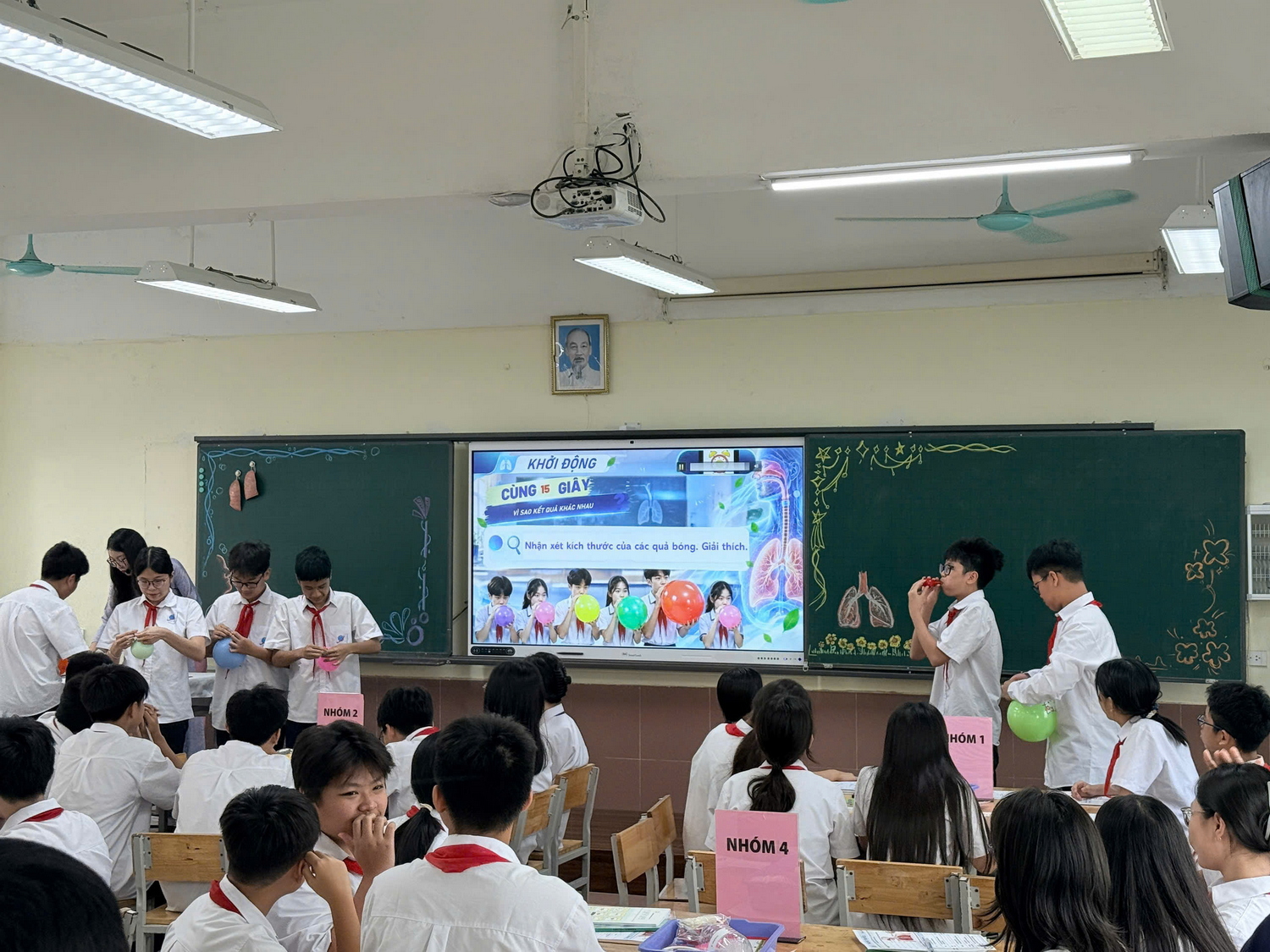
Điểm nhấn của buổi sinh hoạt là phần trình bày kế hoạch bài dạy minh họa “Lực hướng tâm” (Vật lí 10) của thầy Nguyễn Trần Thành Nam (Trường THCS và THPT Nguyễn Tất Thành). Bài dạy được thiết kế công phu, kết hợp linh hoạt các phương pháp giảng dạy hiện đại với ứng dụng công nghệ số và trí tuệ nhân tạo (AI), góp phần nâng cao tính trực quan và hiệu quả tiếp cận kiến thức. Từ sản phẩm minh họa cụ thể này, các thầy cô trong Cụm có cơ sở để cùng nghiên cứu, phân tích, trao đổi chuyên môn và thống nhất khung kế hoạch bài dạy.
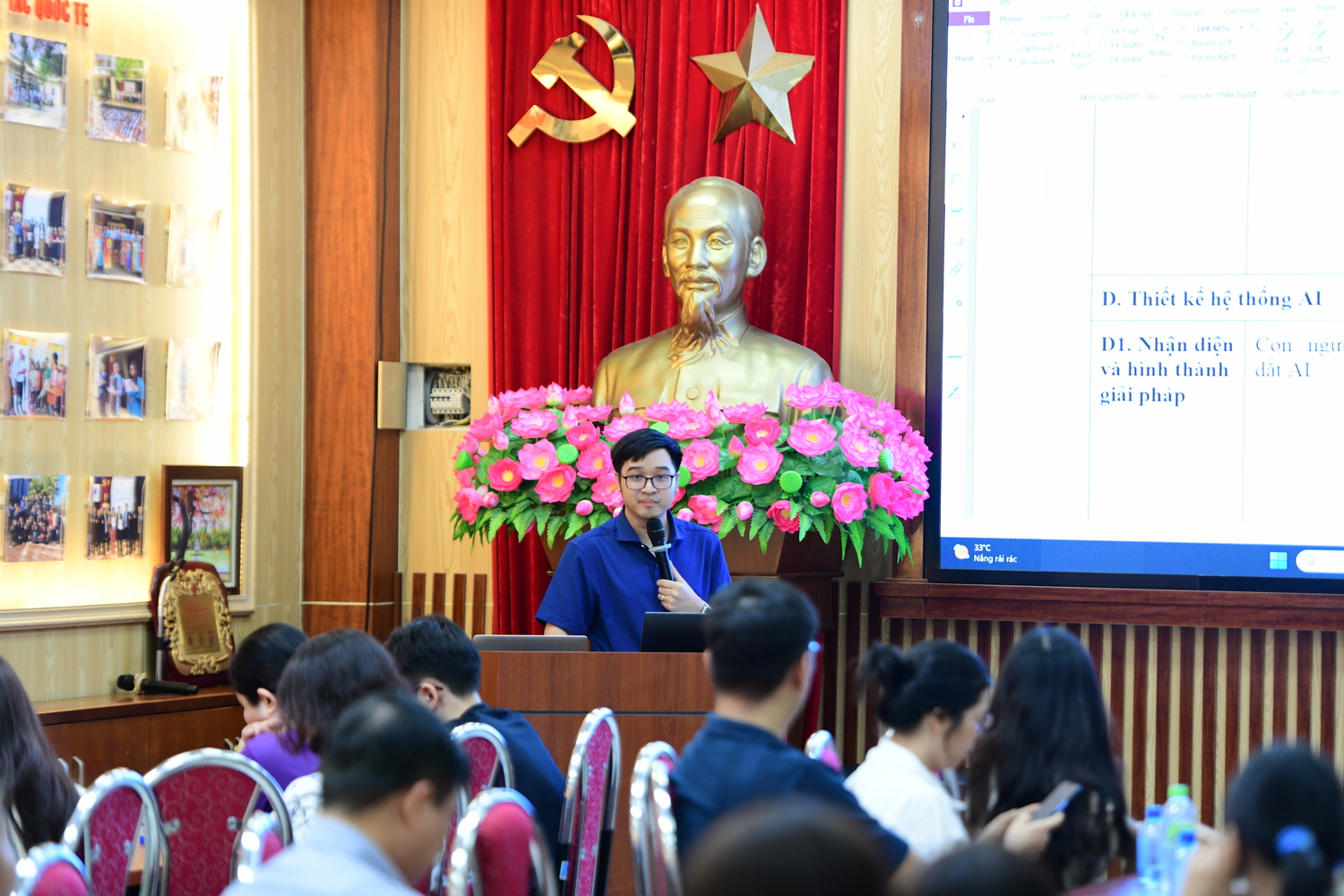
Thầy Nguyễn Trần Thành Nam trình bày kế hoạch bài dạy Lực hướng tâm (Vật lí 10).
Bên cạnh đó, phần thảo luận chuyên môn giữa giáo viên các trường thuộc Cụm THPT số 2 đã diễn ra sôi nổi với nhiều ý kiến trao đổi thiết thực. Các thầy cô tích cực chia sẻ kinh nghiệm, đóng góp ý kiến và đề xuất những giải pháp đổi mới phương pháp giảng dạy, xây dựng kế hoạch bài học phù hợp với yêu cầu chuyển đổi số và đặc điểm của học sinh, hướng tới nâng cao chất lượng giáo dục bộ môn.
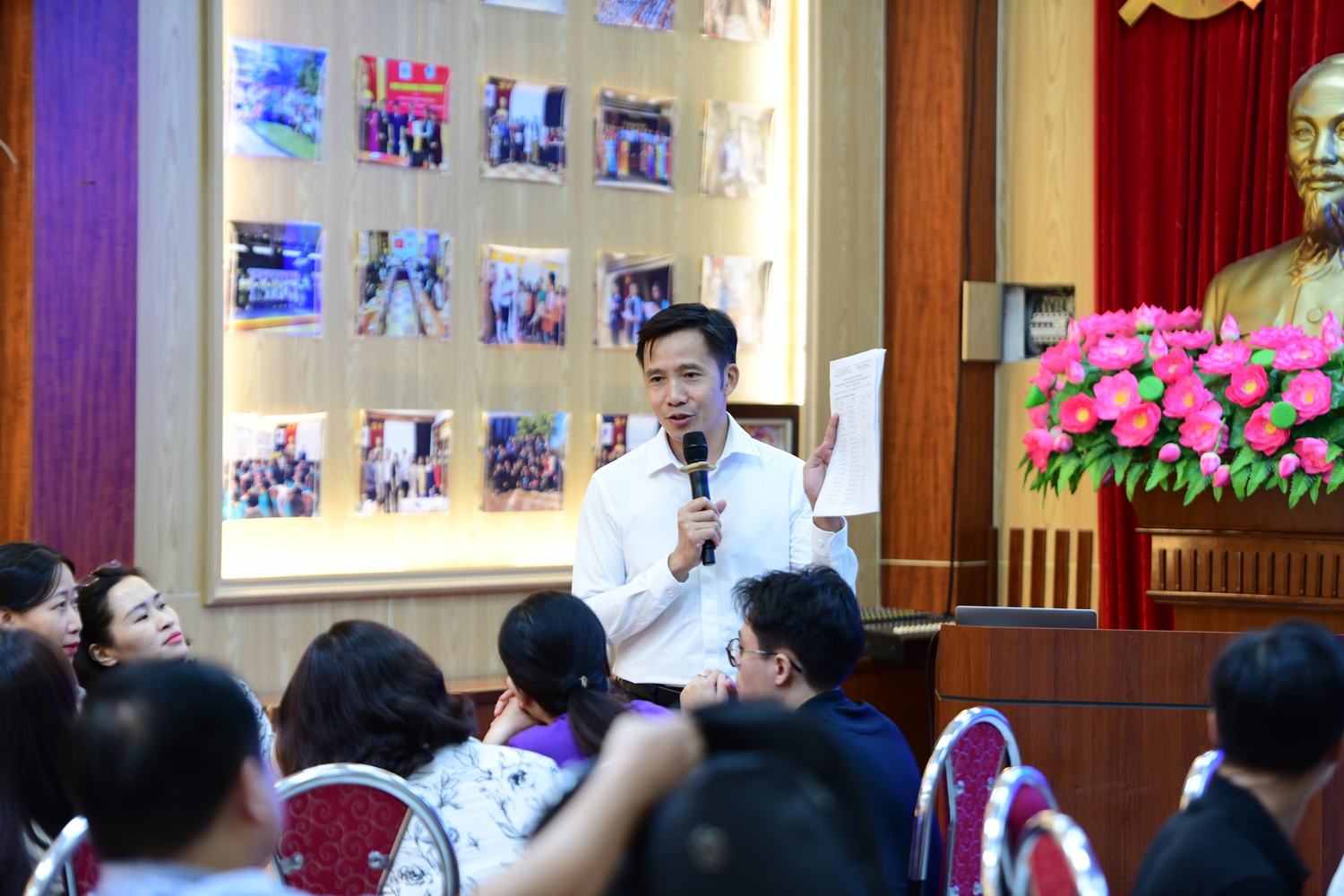
Thầy Phạm Trường Nghiêm, Nhóm trưởng Nhóm Vật lí Trường THCS và THPT Nguyễn Tất Thành, chia sẻ kinh nghiệm cùng các giáo viên trong Cụm.
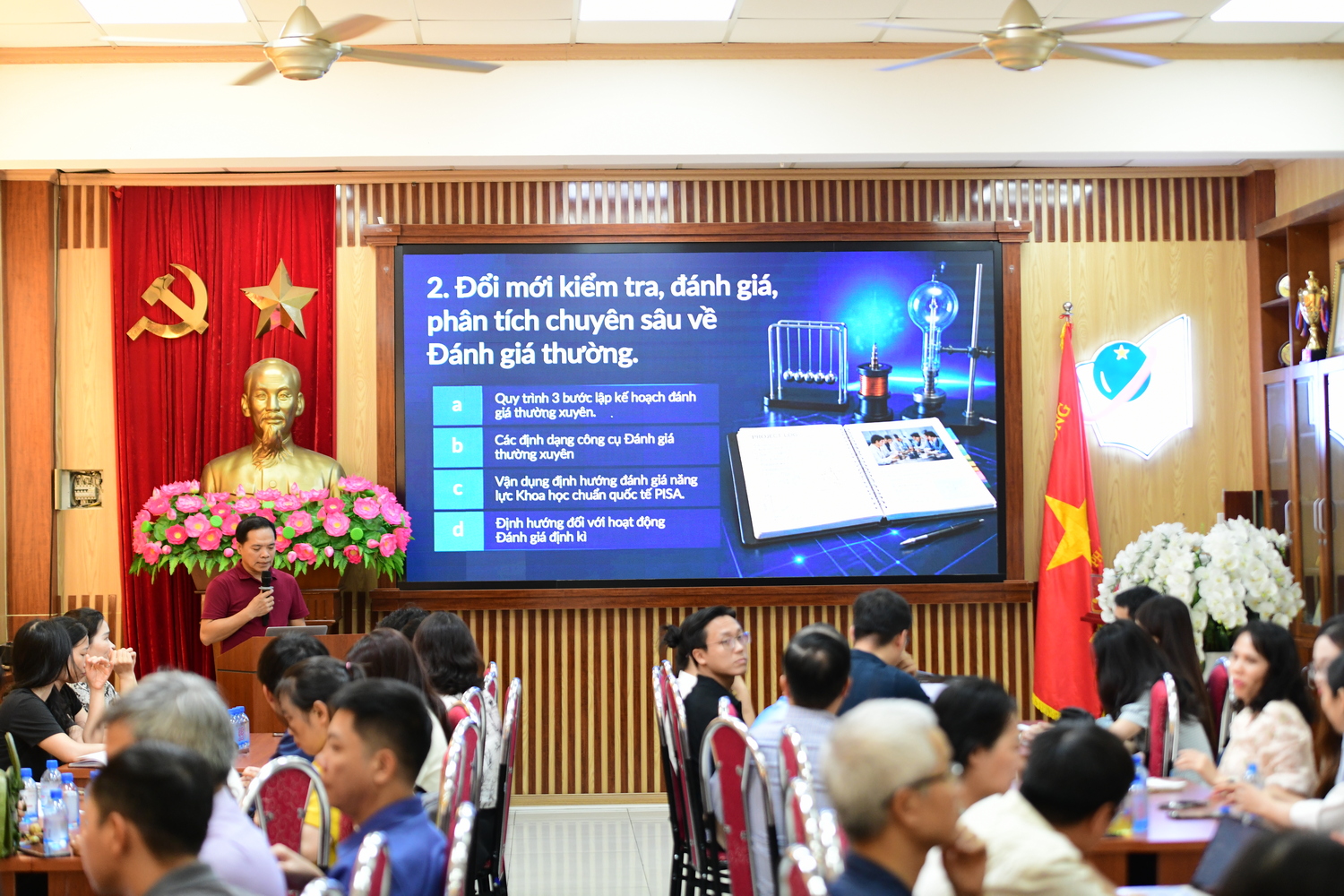
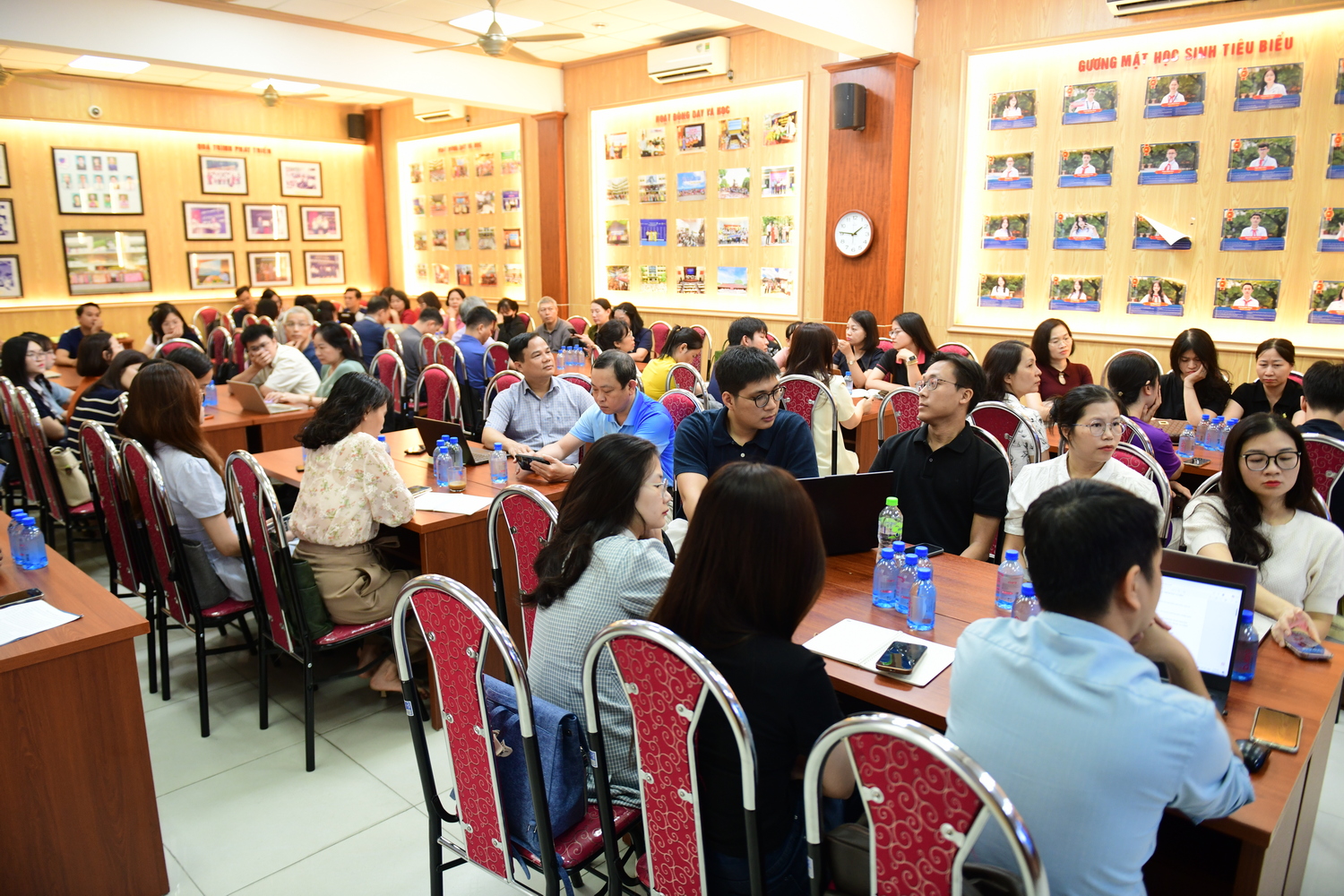
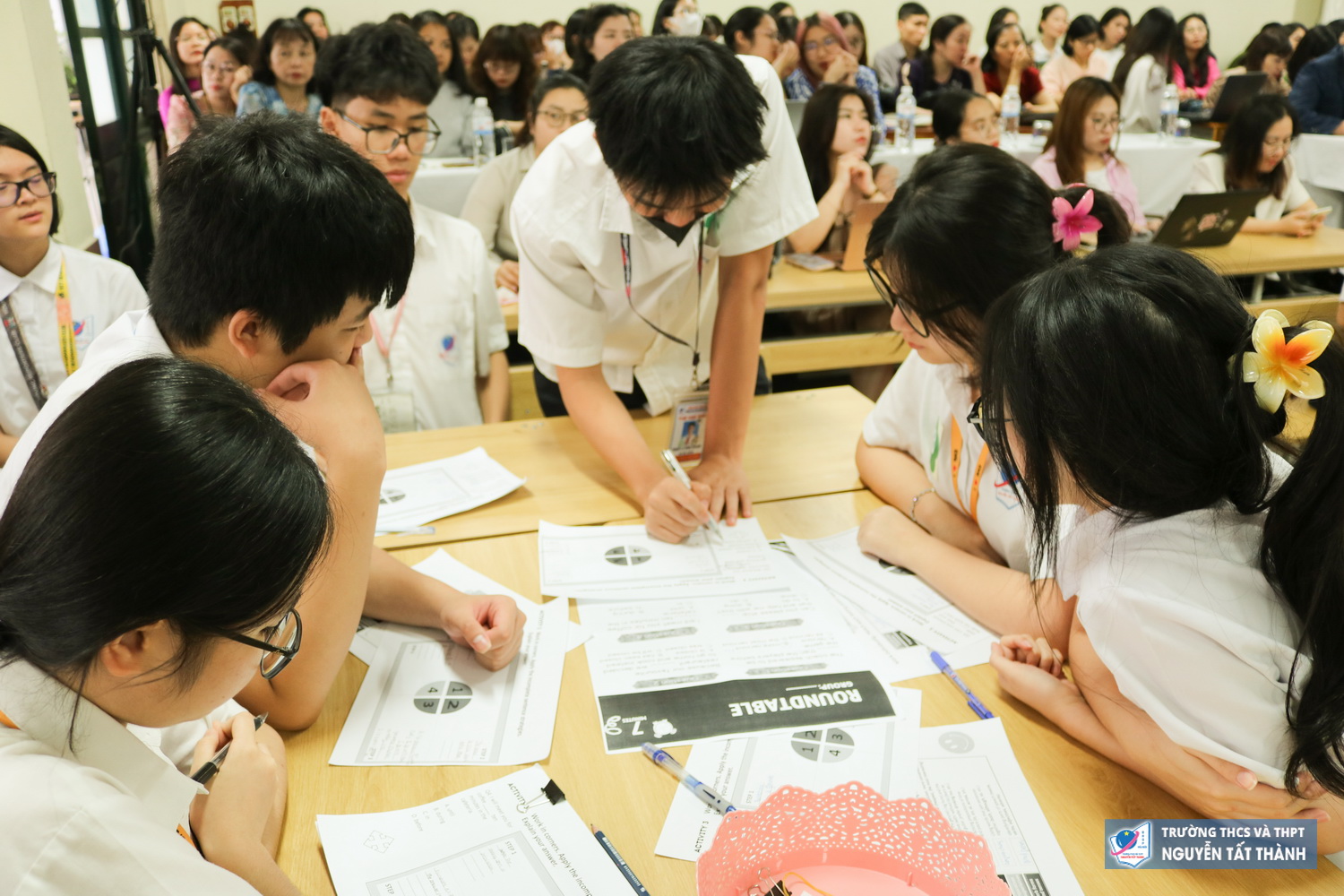
Giáo viên tích cực thảo luận, đóng góp ý kiến và trao đổi kiến thức chuyên môn.
Buổi sinh hoạt chuyên môn giáo vụ môn Vật lí Cụm THPT số 2 khép lại trong không khí sôi nổi, đoàn kết và tinh thần quyết tâm đổi mới. Thành công của chương trình không chỉ thể hiện ở việc thống nhất các nhiệm vụ chuyên môn, hoàn thiện kế hoạch bài học mà còn góp phần lan tỏa tinh thần sáng tạo, khơi mở những ý tưởng mới trong giảng dạy.
Với vai trò đơn vị chủ trì, Trường THCS và THPT Nguyễn Tất Thành tiếp tục khẳng định tinh thần trách nhiệm, sự chủ động và sáng tạo trong tổ chức các hoạt động sinh hoạt chuyên môn. Qua đó, Nhà trường góp phần thúc đẩy sự gắn kết giữa đội ngũ giáo viên Vật lí Cụm THPT số 2, lan tỏa những phương pháp giảng dạy tiên tiến, đặc biệt là ứng dụng công nghệ số và trí tuệ nhân tạo (AI), hướng tới những giờ học trực quan, sinh động và giàu tính thực tiễn.
Hi vọng rằng, trong thời gian tới, Cụm THPT số 2 sẽ tiếp tục tổ chức những buổi sinh hoạt chuyên môn có giá trị, tạo cơ hội để các thầy cô chia sẻ kinh nghiệm, giới thiệu những mô hình giáo dục hiệu quả và phương pháp giảng dạy sáng tạo, qua đó không ngừng nâng cao chất lượng giáo dục bộ môn.
Bài viết: Nguyễn Minh Khang (8A3)
Ảnh: Nguyễn Huy Long (11D1)
Physics Professional Development Meeting of Upper Secondary School Cluster No. 2 at Nguyen Tat Thanh Lower and Upper Secondary School: Innovation and Creativity for Better Quality Education
On 24 October 2026, Nguyen Tat Thanh Lower and Upper Secondary School hosted the beginning-of-year professional development meeting for Physics at the level of Upper Secondary School Cluster No. 2 for the 2026 - 2027 school year. With the participation of Physics teachers across the Cluster, the programme focused on reaching agreement on key professional tasks and updating teachers on trends in teaching innovation and the application of artificial intelligence (AI). It was also an opportunity for teachers to share experiences and work together to resolve difficulties in their teaching practice, contributing to improving the quality of education in their schools.
The 2026 - 2027 school year sets out new requirements for improving the quality of education, especially as digital transformation is having a strong impact on teaching and learning. For Physics, making effective use of technological applications, enhancing visualisation and linking knowledge with real life are becoming increasingly necessary. In this spirit, the professional development programme was designed with practical content, focusing on the ability to apply modern methods and tools in each lesson, in order to meet the requirements of educational innovation in the current period.
Ms Nguyễn Thị Lâm Quỳnh introducing the programme.
Mr Lê Văn Cường, Vice Principal of Nguyen Tat Thanh Lower and Upper Secondary School, speaking at the meeting.
Opening the presentation session, Mr Nguyễn Phi Long (Tay Ho Upper Secondary School) delivered a paper on the directions for the tasks of the 2026 – 2027 school year in Physics. The report systematised the key directives from the Hà Nội Department of Education and Training, while also proposing practical solutions to improve the quality of Physics teaching and learning throughout Upper Secondary School Cluster No. 2.
Mr Nguyễn Phi Long presenting the report on the directions for the tasks of the 2026 - 2027 school year in Physics.
This was followed by a presentation by Mr Lưu Văn Hợi (Nguyen Trai Upper Secondary School) and Mr Lê Văn Bình (Ha Thanh Upper Secondary School) on the topic “Developing Digital Competence and AI Education in Physics”. In the context of rapid digital transformation, the two teachers introduced methods of integrating modern technology and artificial intelligence (AI) tools into lesson design, creating visual simulations of physical phenomena and enhancing interaction for students.
Mr Lưu Văn Hợi and Mr Lê Văn Bình presenting their thematic report on developing digital competence and AI education in Physics.
Ms Nguyễn Phương Lan (Cau Giay Upper Secondary School) presenting the subject education plan and innovation in testing and assessment.
The highlight of the meeting was the presentation of the illustrative lesson plan “Centripetal Force” (Physics 10) by Mr Nguyễn Trần Thành Nam (Nguyen Tat Thanh Lower and Upper Secondary School). The lesson was elaborately designed, flexibly combining modern teaching methods with the application of digital technology and artificial intelligence (AI), helping to enhance visualisation and the effectiveness with which students access knowledge. Based on this specific illustrative product, teachers in the Cluster had a basis on which to study, analyse and discuss professional matters together and agree on a common lesson plan framework.
Mr Nguyễn Trần Thành Nam presenting the lesson plan on Centripetal Force (Physics 10).
In addition, the professional discussion among teachers from schools in Upper Secondary School Cluster No. 2 was lively, with many practical contributions. Teachers actively shared experiences, offered feedback and proposed solutions for innovating teaching methods and developing lesson plans suited to the requirements of digital transformation and the characteristics of their students, with the aim of improving the quality of education in the subject.
Mr Phạm Trường Nghiêm, Head of the Physics Group of Nguyen Tat Thanh Lower and Upper Secondary School, sharing experiences with teachers in the Cluster.
Teachers actively discussing, contributing ideas and exchanging professional knowledge.
The Physics professional development meeting of Upper Secondary School Cluster No. 2 concluded in a lively atmosphere of solidarity and determination to innovate. The success of the programme was reflected not only in reaching agreement on professional tasks and finalising the lesson plan, but also in spreading the spirit of creativity and opening up new ideas in teaching.
As the host school, Nguyen Tat Thanh Lower and Upper Secondary School continues to demonstrate its sense of responsibility, initiative and creativity in organising professional development activities. In doing so, the School contributes to fostering closer ties among the Physics teachers of Upper Secondary School Cluster No. 2 and to spreading advanced teaching methods, especially the application of digital technology and artificial intelligence (AI), towards lessons that are visual, engaging and highly practical.
It is hoped that, in the time ahead, Upper Secondary School Cluster No. 2 will continue to organise valuable professional development sessions, creating opportunities for teachers to share experiences and introduce effective educational models and creative teaching methods, thereby continuously improving the quality of education in the subject.
Written by: Nguyễn Minh Khang (8A3)
Photos: Nguyễn Huy Long (11D1)