Chiều ngày 17/10/2026, Trường THCS và THPT Nguyễn Tất Thành tổ chức và chủ trì buổi sinh hoạt chuyên môn giáo vụ đầu năm học 2026 - 2027 môn Công nghệ định hướng Nông nghiệp - Cụm THPT số 2. Buổi sinh hoạt tập trung vào những định hướng chuyên môn trọng tâm của năm học, đặc biệt là đổi mới phương pháp dạy học, tăng cường thực hành, giáo dục STEM, phát triển năng lực số và ứng dụng AI. Điểm nhấn của chương trình là hoạt động cùng nghiên cứu, phân tích và điều chỉnh một kế hoạch bài dạy Công nghệ Nông nghiệp lớp 10.
Sinh hoạt chuyên môn theo hướng thực chất, cùng giải quyết vấn đề
Thực hiện kế hoạch sinh hoạt chuyên môn giáo vụ đầu năm của Cụm các trường THPT số 2, Trường THCS và THPT Nguyễn Tất Thành được phân công chủ trì môn Công nghệ Nông nghiệp. Với sự tham gia tới từ 8 trường THPT và 13 giáo viên trên địa bàn cụm THPT số 2, buổi sinh hoạt được tổ chức với mục tiêu triển khai thống nhất những định hướng chuyên môn của năm học 2026 - 2027, đồng thời tạo diễn đàn để giáo viên các trường cùng trao đổi kinh nghiệm, tháo gỡ khó khăn và xây dựng những giải pháp có thể áp dụng trực tiếp trong lớp học.
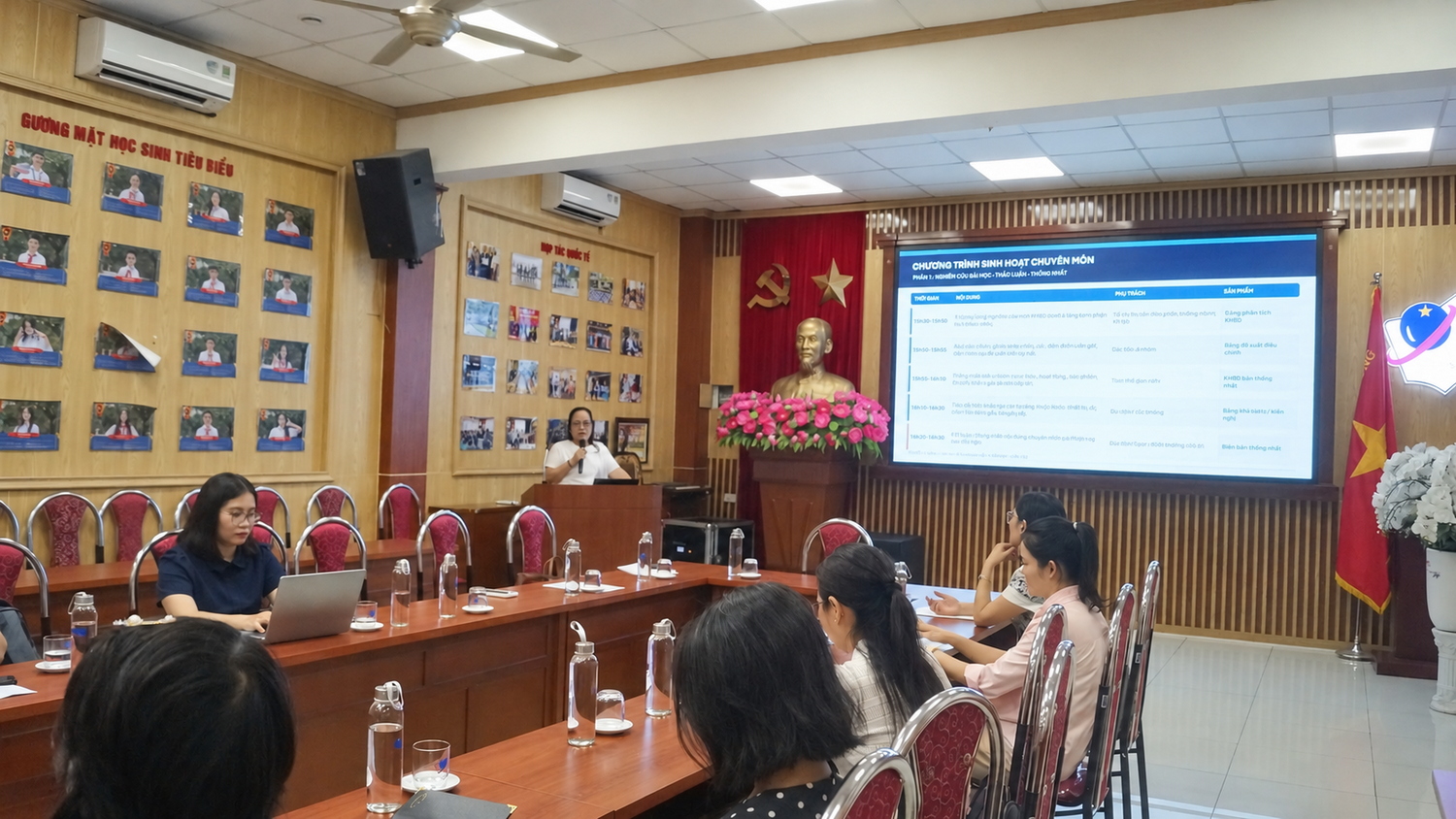
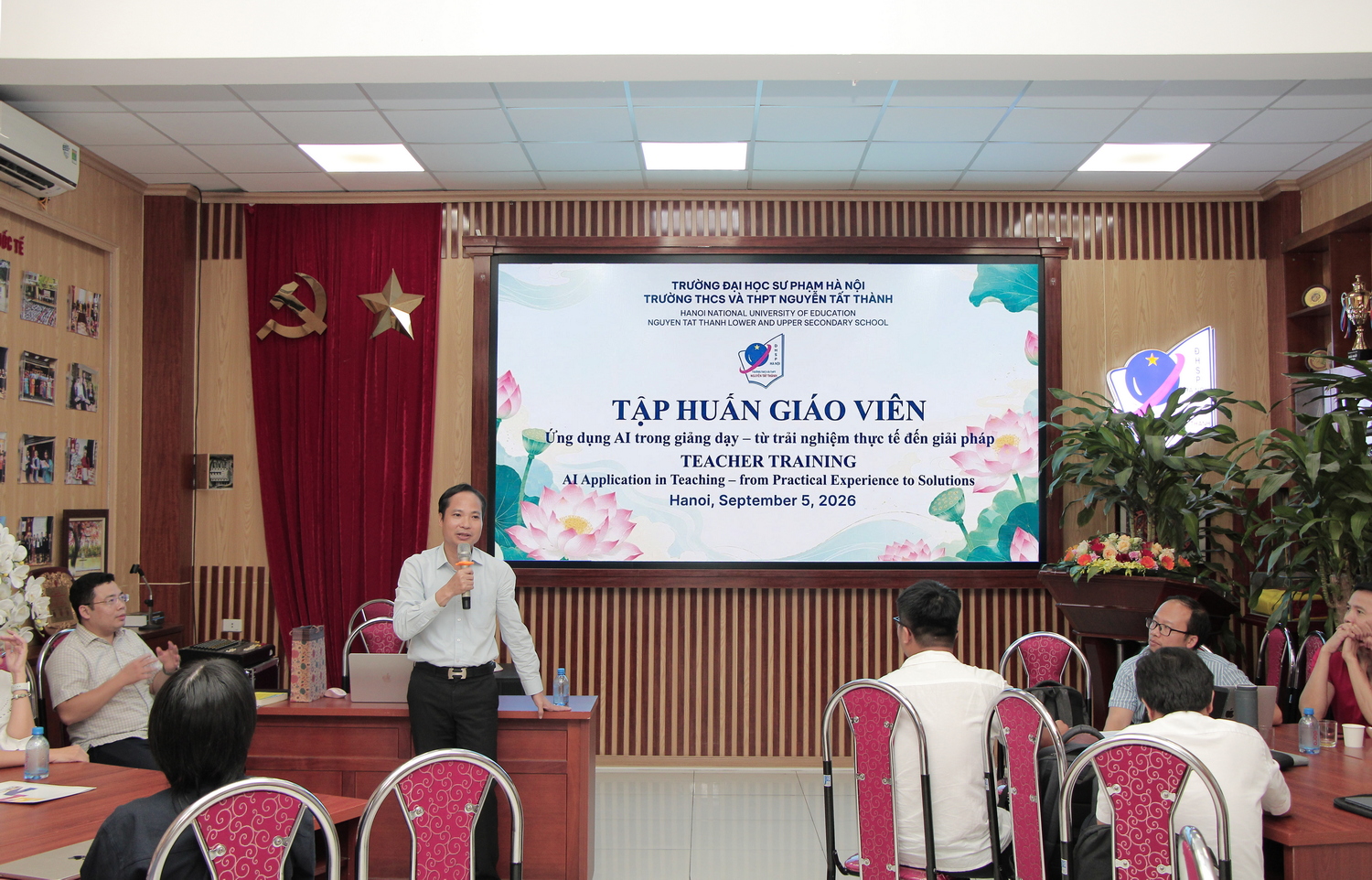
Cô Võ Thị Hải, Nhóm trưởng Nhóm Sinh - Công nghệ Trường THCS và THPT Nguyễn Tất Thành, phát biểu khai mạc.
Khác với một buổi phổ biến văn bản theo hình thức một chiều, chương trình được thiết kế theo hướng tăng thời gian cho thực hành, trao đổi và phân tích bài học. Các nội dung được đặt trong những câu hỏi cụ thể: Làm thế nào để bài học Công nghệ Nông nghiệp gắn nhiều hơn với thực tiễn? Học sinh cần được làm gì để hình thành năng lực, thay vì chỉ ghi nhớ quy trình? AI và công nghệ số có thể hỗ trợ hoạt động học ở mức nào, và học sinh phải kiểm chứng kết quả ra sao?
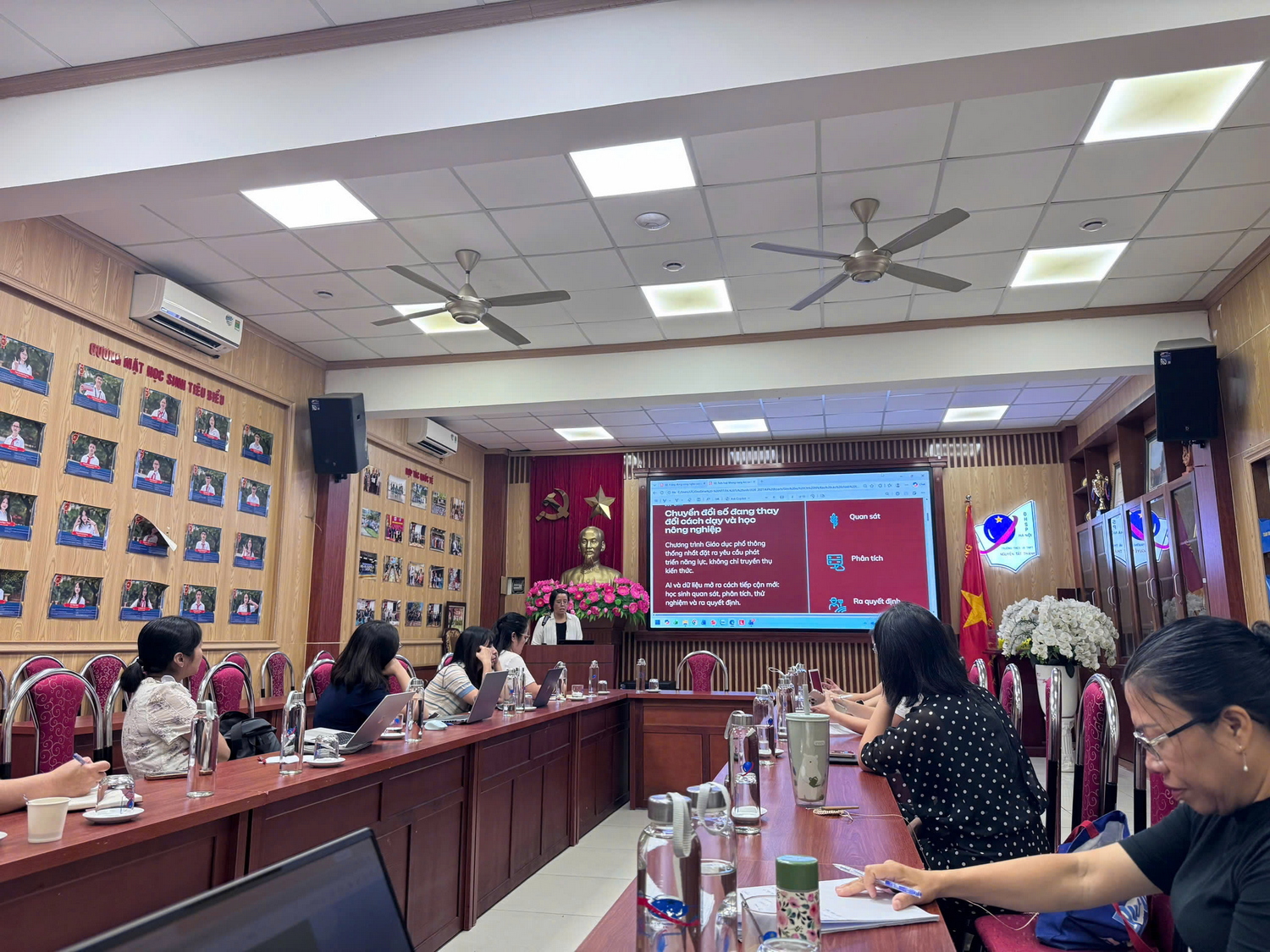
Buổi sinh hoạt diễn ra trong không khí nghiêm túc với những trao đổi có giá trị chuyên môn cao.
Từ “dạy quy trình” đến tổ chức cho học sinh giải quyết vấn đề
Trong phần định hướng chuyên môn, các giáo viên tập trung trao đổi về những chuyển dịch quan trọng của môn Công nghệ Nông nghiệp: tăng cường thực hành và trải nghiệm; đổi mới kiểm tra đánh giá; triển khai bài học STEM; khai thác IoT, AI và học liệu số; đồng thời gắn nội dung môn học với các vấn đề của nông nghiệp hiện đại, sản xuất xanh và phát triển bền vững.
Một thông điệp được nhấn mạnh xuyên suốt buổi sinh hoạt là: đổi mới không có nghĩa là làm kế hoạch bài dạy dài hơn hay thêm nhiều thuật ngữ mới, mà là tổ chức để học sinh được quan sát, phân tích, thử nghiệm, lựa chọn giải pháp, giải thích bằng bằng chứng và chịu trách nhiệm với sản phẩm học tập của mình.
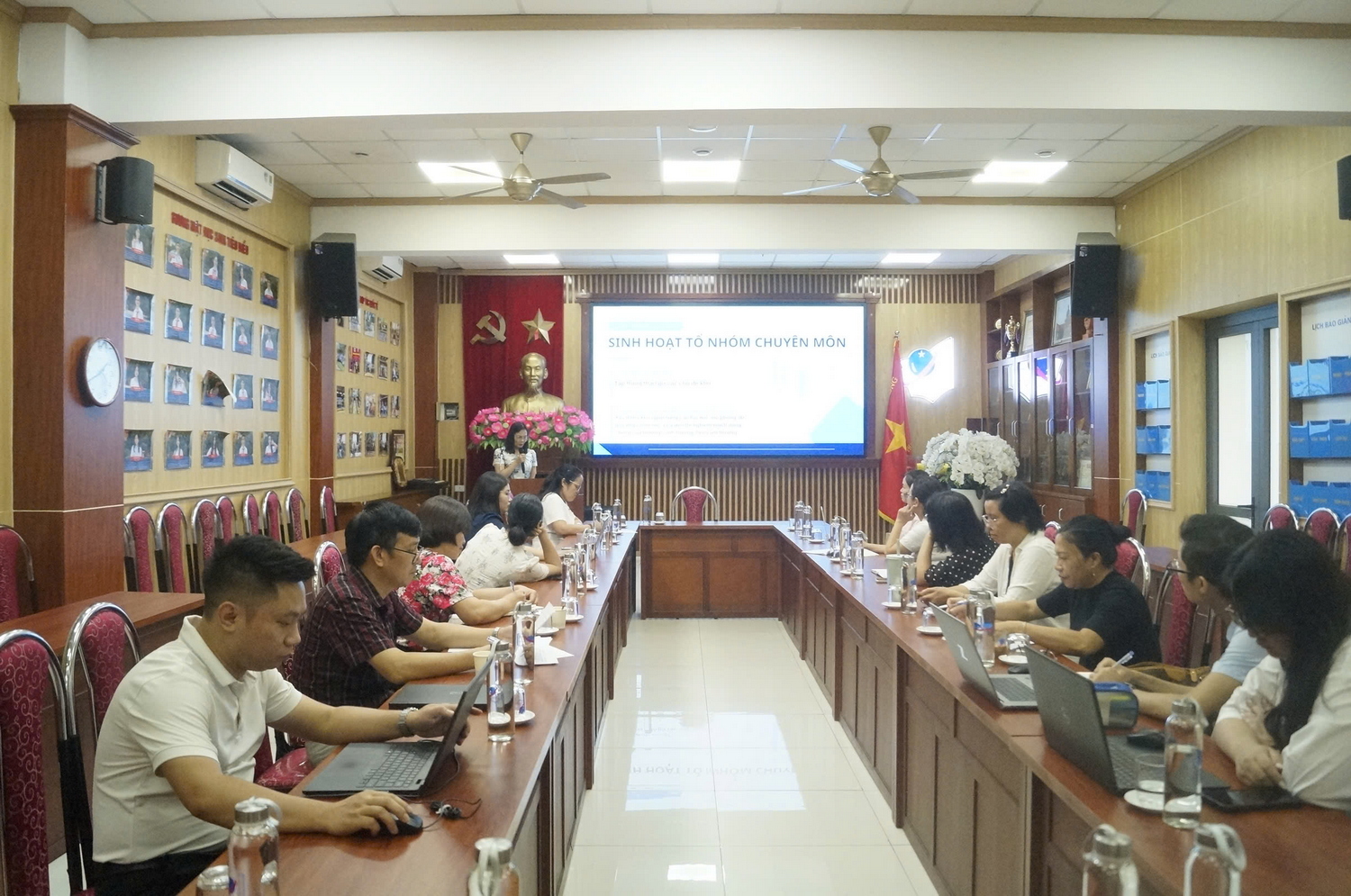
Cô Nguyễn Thị Nhã, Trường THPT Nguyễn Trãi, trình bày về định hướng chuyên môn Công nghệ Nông nghiệp năm học 2026 - 2027.
Điểm nhấn: cùng nghiên cứu một kế hoạch bài dạy (KHBD) lớp 10
Điểm nhấn của chương trình là hoạt động nghiên cứu một KHBD môn Công nghệ Nông nghiệp lớp 10 thuộc mạch Công nghệ trồng trọt. Cô Đỗ Thị Hồng - giáo viên Nhóm Sinh - Công nghệ, Trường THCS và THPT Nguyễn Tất Thành đã xây dựng KHBD cho Bài 16: “Một số sâu hại cây trồng thường gặp và biện pháp phòng trừ” theo hướng gắn kiến thức với thực tiễn. Điểm nổi bật của kế hoạch là việc khai thác các tình huống thực tế trong nhận biết và phòng trừ sâu, bệnh hại cây trồng, đồng thời tích hợp công cụ số và AI nhằm hỗ trợ học sinh nhận diện, phân tích và vận dụng kiến thức vào giải quyết vấn đề.
Từ hình ảnh hoặc mẫu vật cây trồng có biểu hiện bất thường, học sinh được định hướng mô tả triệu chứng, dự đoán nguyên nhân, tìm kiếm thông tin, sử dụng công cụ số hoặc AI để hỗ trợ nhận diện, sau đó đối chiếu với nguồn tài liệu đáng tin cậy trước khi đề xuất biện pháp xử lí. Ở đây, AI không đóng vai trò “cho đáp án”, mà trở thành một nguồn thông tin cần được người học kiểm tra, đối chiếu và đánh giá.
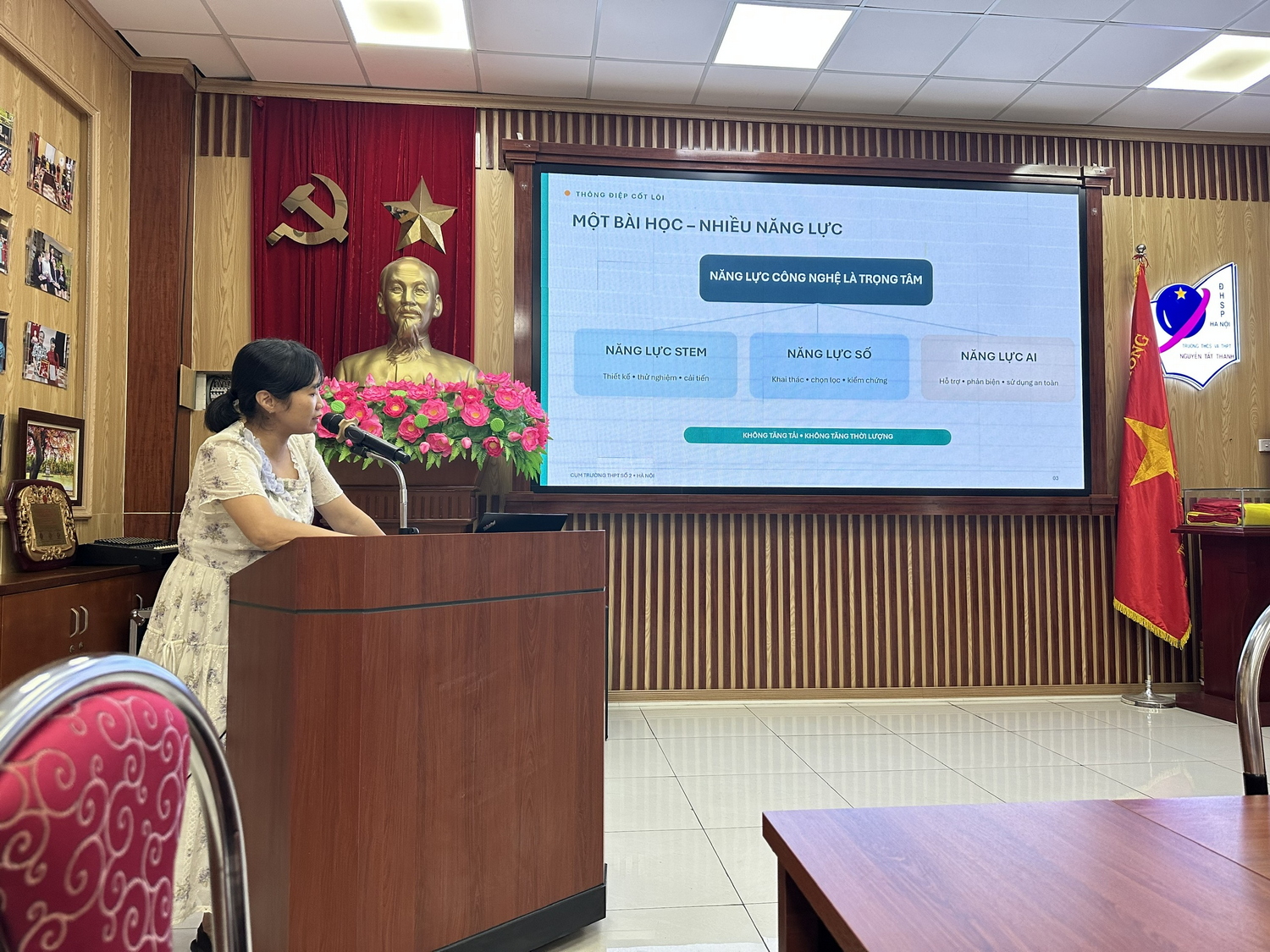
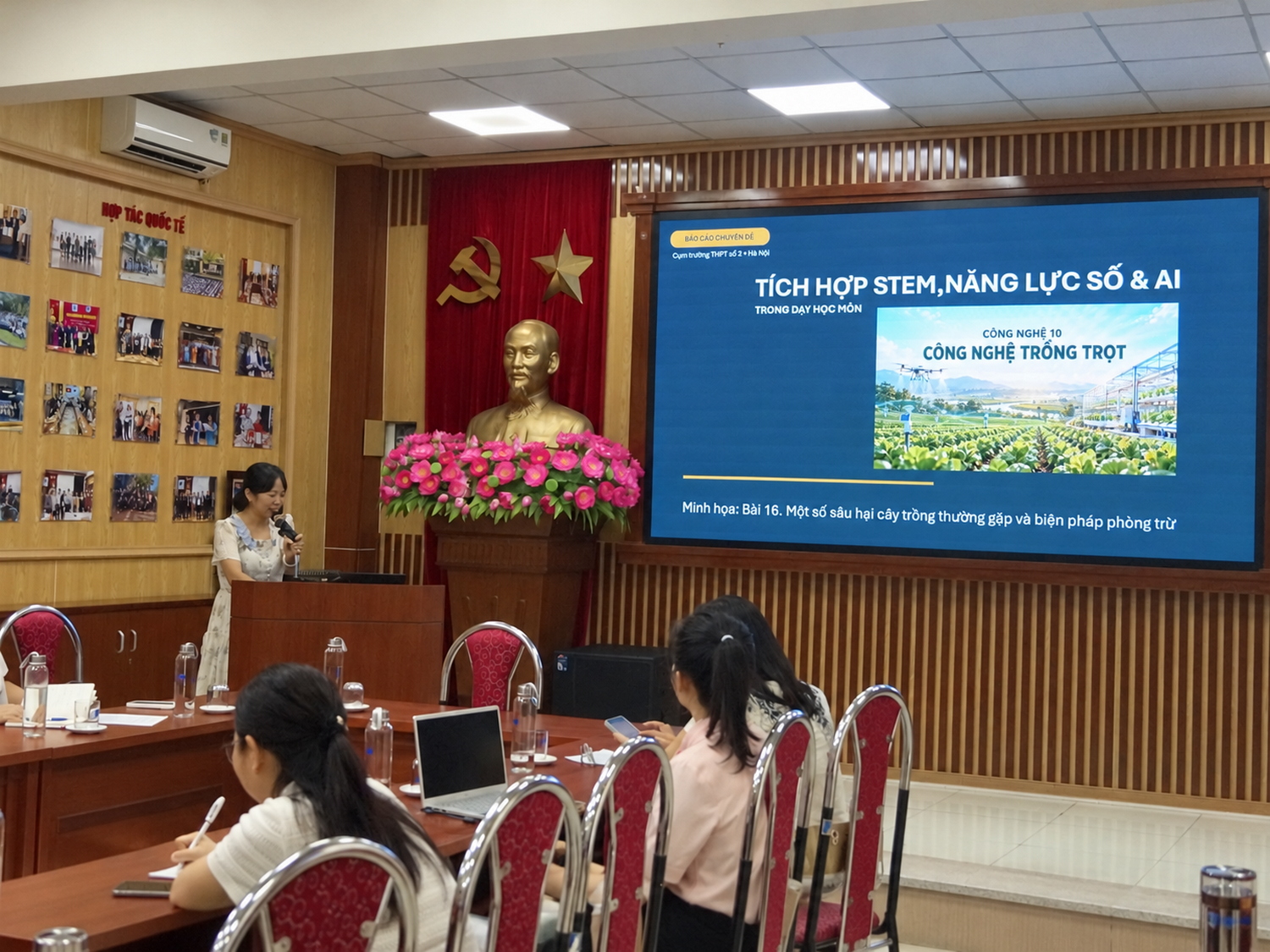
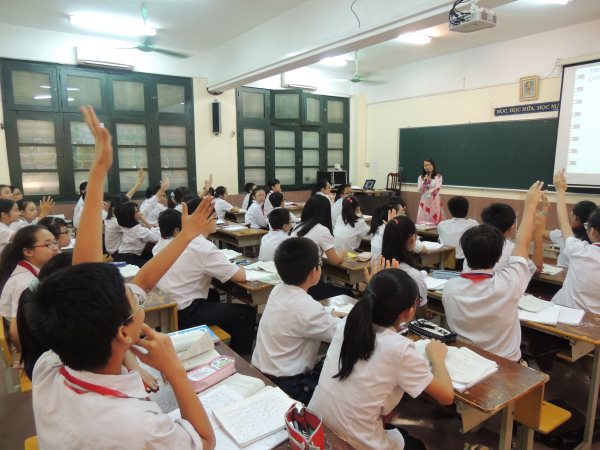
Cô Đỗ Thị Hồng trình bày KHBD Bài 16: “Một số sâu hại cây trồng thường gặp và biện pháp phòng trừ” (lớp 10).
Một KHBD - bốn lăng kính phân tích
Các giáo viên tham dự cùng nghiên cứu một KHBD nhưng dưới bốn lăng kính khác nhau: yêu cầu cần đạt và mục tiêu; chuỗi hoạt động học; phát triển năng lực số và sử dụng AI; kiểm tra đánh giá và tính khả thi. Cách tổ chức này giúp phần thảo luận đi vào chiều sâu, tránh tình trạng mỗi nhóm nói một chủ đề rời rạc.
Từ KHBD cụ thể, nhiều câu hỏi chuyên môn được đặt ra: Mục tiêu nào thực sự được thể hiện bằng hoạt động của học sinh? Sản phẩm nào cho thấy học sinh đã hình thành năng lực? Nếu sử dụng AI, dữ liệu đầu vào là gì, học sinh kiểm chứng kết quả bằng cách nào? Nếu trường không có vườn thực nghiệm, mẫu bệnh hoặc thiết bị đầy đủ thì có thể tổ chức hoạt động theo phương án thay thế nào?
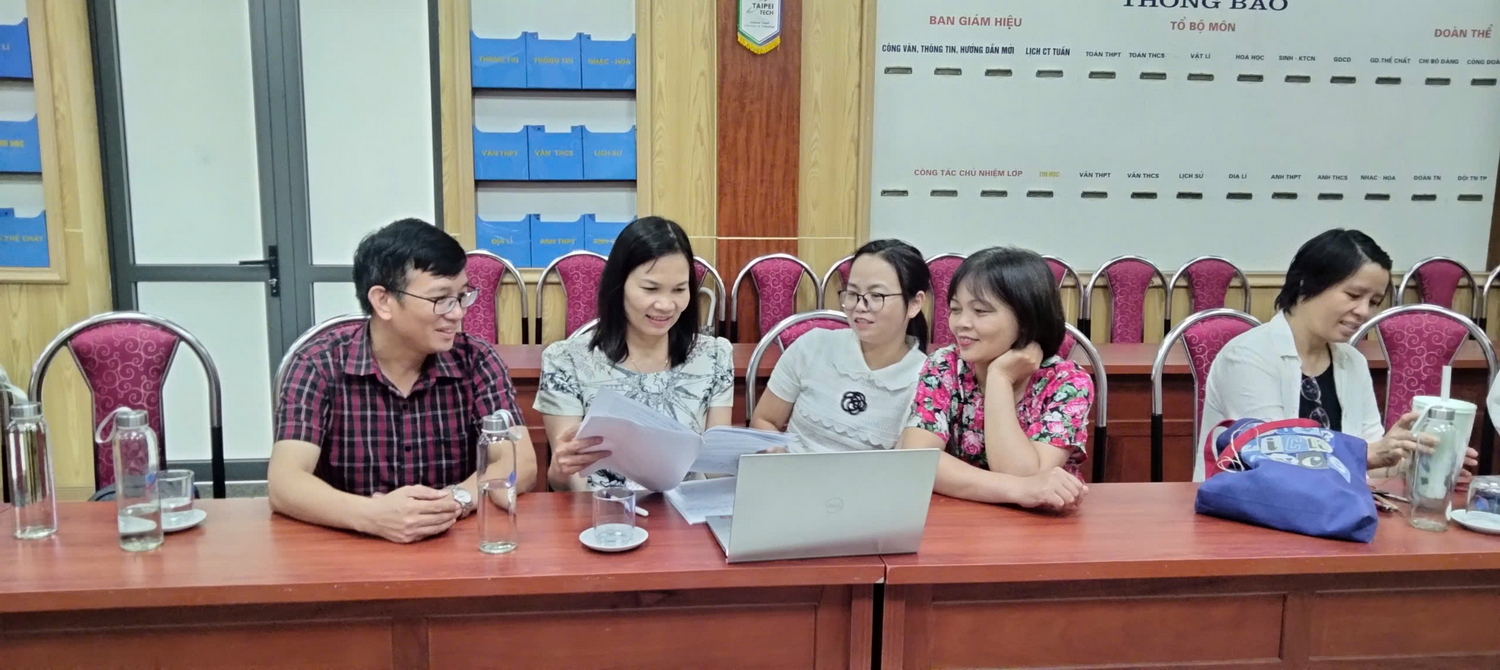
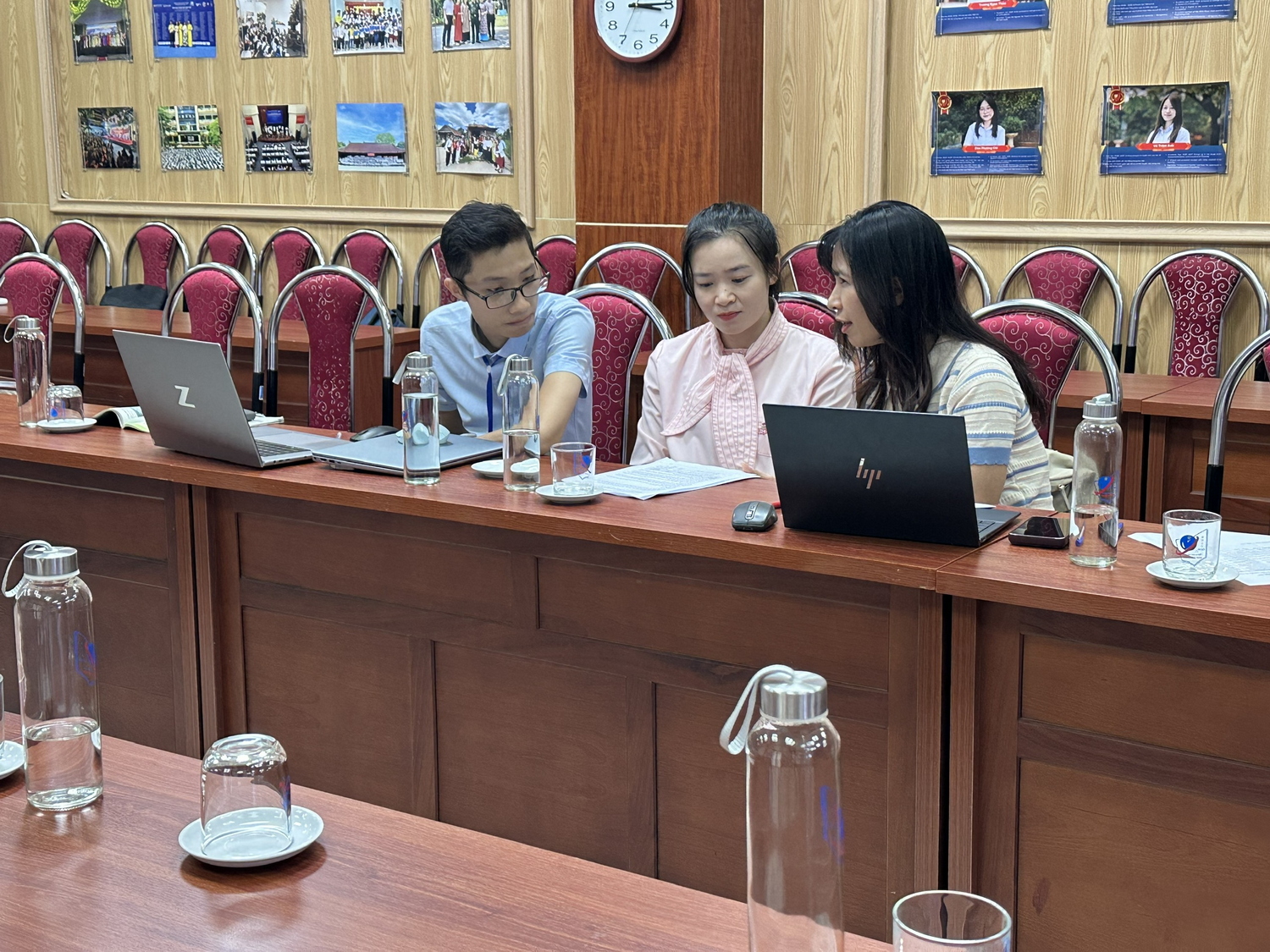
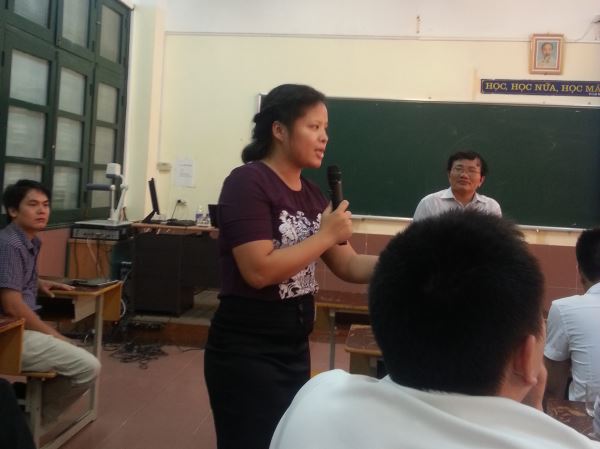
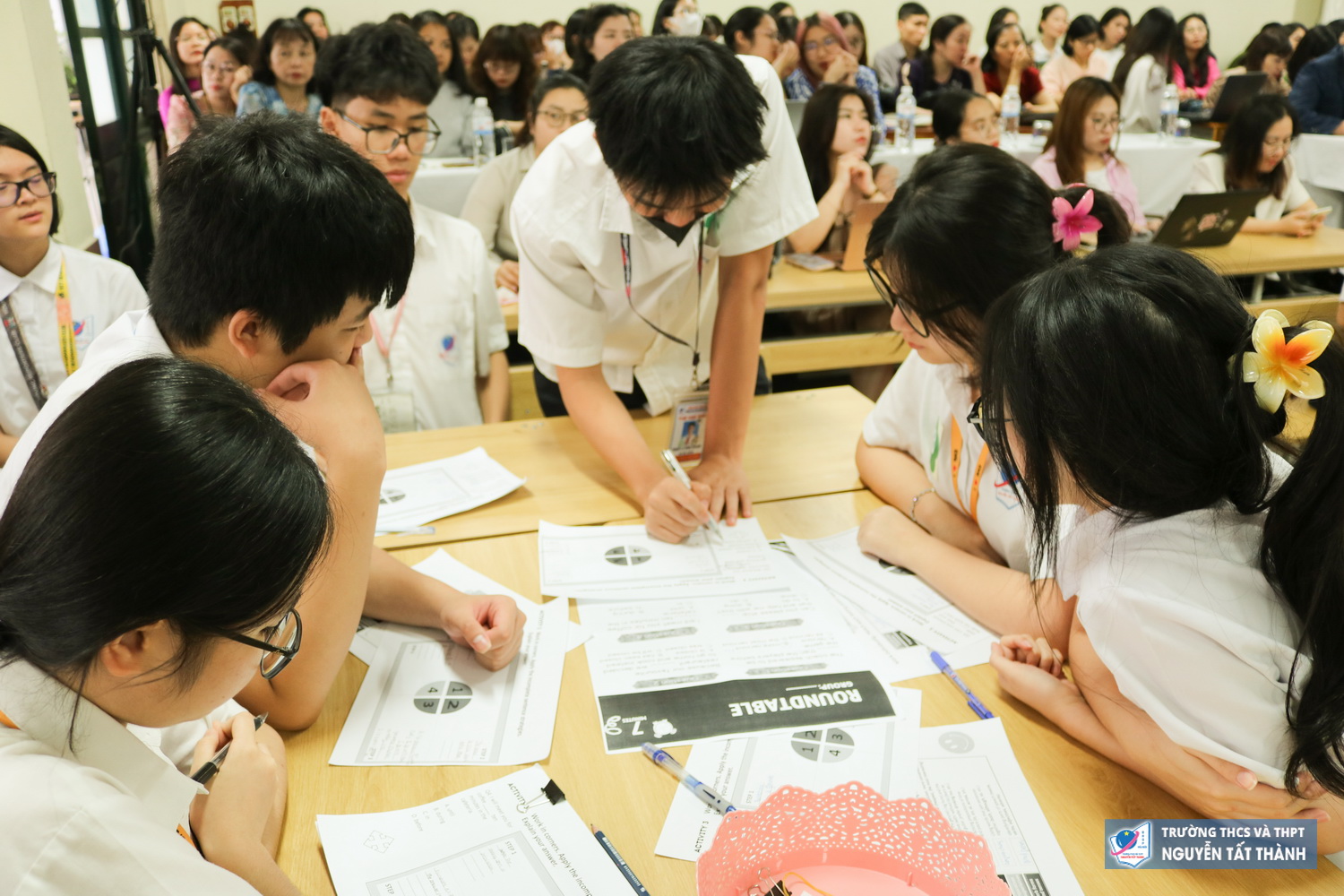
Giáo viên sôi nổi thảo luận trong buổi sinh hoạt chuyên môn,
Từ thảo luận đến sản phẩm chuyên môn thống nhất
Sau phần thảo luận nhóm, đại diện các nhóm báo cáo, phản biện chéo và đề xuất những điểm cần giữ, cần điều chỉnh trong KHBD. Các ý kiến được tập trung vào tính khoa học của nội dung, sự phù hợp của chuỗi hoạt động, mức độ tham gia thực sự của học sinh, công cụ đánh giá và khả năng triển khai trong những điều kiện khác nhau giữa các trường.
Kết thúc phần chuyên môn, các giáo viên cùng hướng tới một sản phẩm cụ thể: KHBD minh họa sau điều chỉnh, các nguyên tắc tích hợp năng lực số và AI trong môn Công nghệ Nông nghiệp, cùng danh sách những khó khăn và kiến nghị cần tiếp tục tháo gỡ trong sinh hoạt chuyên môn của Cụm nhằm đảm bảo đánh giá phù hợp, cơ sở vật chất và thời lượng thực hành hợp lí. Bên cạnh đó còn thống nhất thực hiện tốt các hướng dẫn, nhiệm vụ năm học của các cấp quản lí; đồng thời giữ nguyên KHBD Bài 16, qua đó linh hoạt vận dụng phù hợp với đối tượng học sinh và điều kiện thực tế.
Kết nối - chia sẻ - cùng phát triển chuyên môn
Buổi sinh hoạt chuyên môn giáo vụ đầu năm là dịp để giáo viên không chỉ cập nhật định hướng mới mà còn cùng nhau chuyển những yêu cầu của chương trình thành hoạt động học cụ thể, có thể quan sát và đánh giá được. Thông qua việc cùng nghiên cứu một KHBD, những vấn đề như thực hành, STEM, năng lực số hay AI trở nên gần với thực tiễn lớp học hơn và có cơ sở để điều chỉnh, áp dụng phù hợp ở từng nhà trường.
Với vai trò đơn vị chủ trì, Trường THCS và THPT Nguyễn Tất Thành tiếp tục phát huy tinh thần chia sẻ, hợp tác và đổi mới trong sinh hoạt chuyên môn; góp phần xây dựng cộng đồng giáo viên Công nghệ Nông nghiệp Cụm THPT số 2 cùng học hỏi, cùng phát triển và cùng hướng tới những bài học thực chất, hiện đại, gắn với cuộc sống.
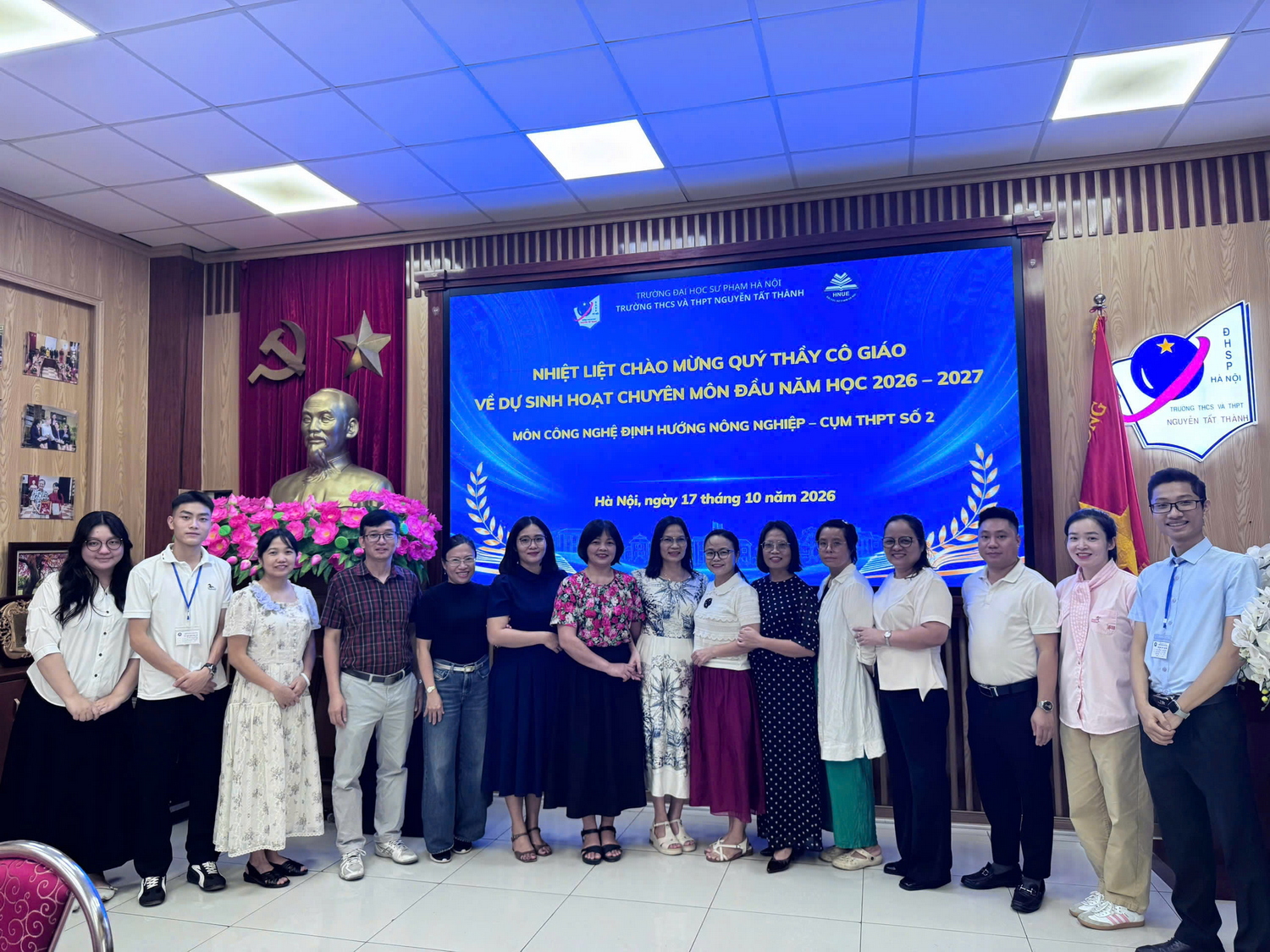
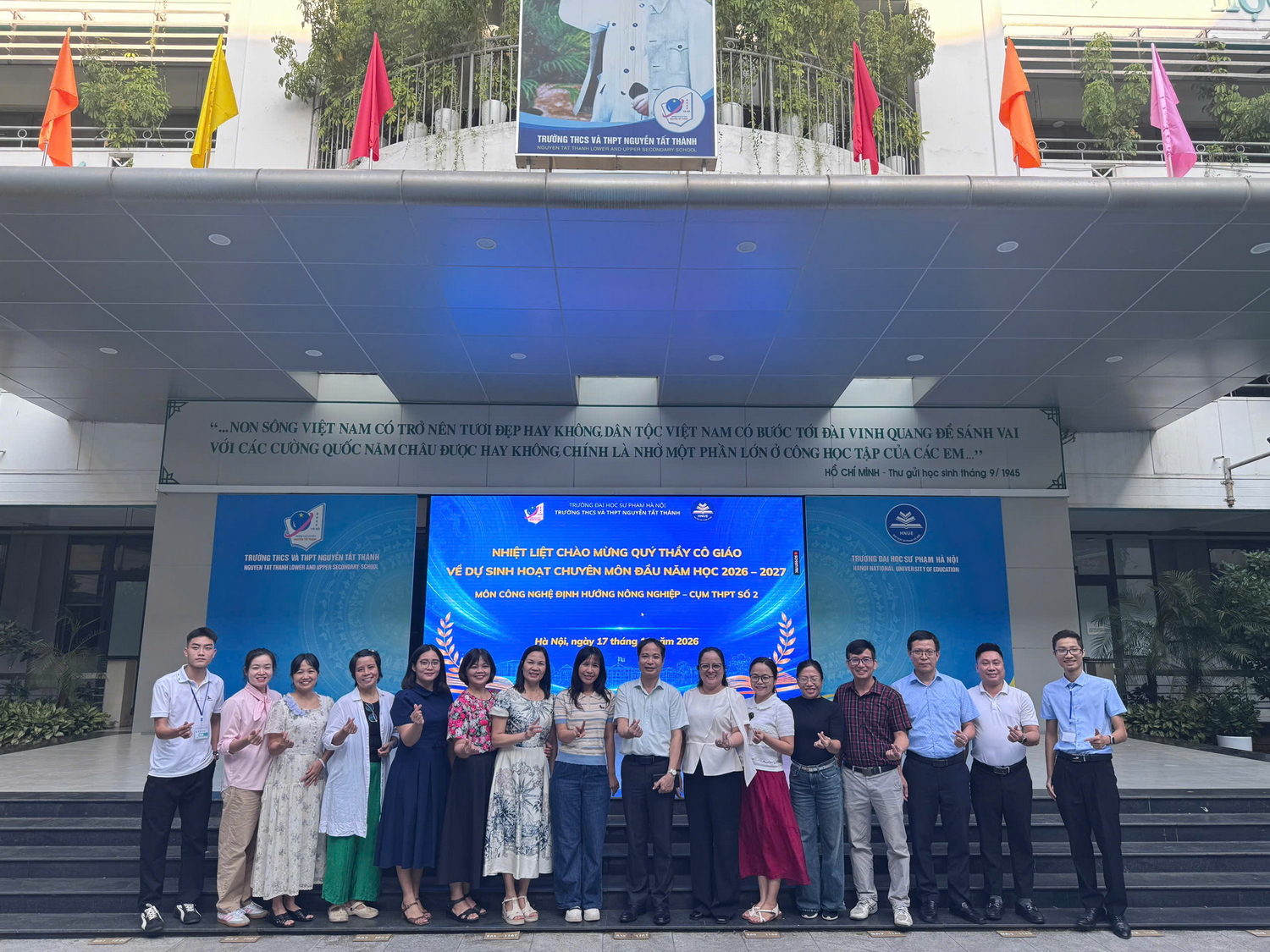
Bài viết: Đỗ Khánh Linh (11D1)
Ảnh: Đỗ Ngọc Ban Mai (11D2)
Tư liệu chuyên môn: Tổ KHTN và Công nghệ
From Practice to Lessons: Agricultural Technology Professional Development Meeting of Upper Secondary School Cluster No. 2 at Nguyen Tat Thanh Lower and Upper Secondary School
On the afternoon of 17 October 2026, Nguyen Tat Thanh Lower and Upper Secondary School organised and hosted the beginning-of-year professional development meeting for the 2026 - 2027 school year for the subject of Technology (Agriculture orientation) of Upper Secondary School Cluster No. 2. The meeting focused on the key professional directions for the school year, particularly innovation in teaching methods, greater emphasis on practical work, STEM education, digital competence development and the application of AI. The highlight of the programme was the collaborative study, analysis and adjustment of a Grade 10 Agricultural Technology lesson plan.
Professional Development That Is Substantive and Focused on Solving Problems Together
In accordance with the beginning-of-year professional development plan of Upper Secondary School Cluster No. 2, Nguyen Tat Thanh Lower and Upper Secondary School was assigned to host the Agricultural Technology subject meeting. With the participation of 13 teachers from 8 upper secondary schools in Cluster No. 2, the meeting was held with the aim of implementing the professional directions for the 2026 - 2027 school year in a consistent manner, while also providing a forum for teachers from different schools to exchange experiences, overcome difficulties and develop solutions that can be applied directly in the classroom.
Ms Võ Thị Hải, Head of the Biology - Technology Group of Nguyen Tat Thanh Lower and Upper Secondary School, delivering the opening speech.
Unlike a one-way briefing on official documents, the programme was designed to allow more time for practice, discussion and lesson analysis. The content was framed around specific questions: How can Agricultural Technology lessons be more closely linked to real life? What do students need to do in order to develop competences, rather than simply memorising procedures? To what extent can AI and digital technology support learning activities, and how should students verify the results?
The meeting took place in a serious atmosphere, with discussions of high professional value.
From “Teaching Procedures” to Enabling Students to Solve Problems
In the section on professional directions, the teachers focused their discussion on the important shifts in the subject of Agricultural Technology: strengthening practical work and hands-on experience; innovating testing and assessment; implementing STEM lessons; making use of IoT, AI and digital learning resources; and linking the subject content with issues of modern agriculture, green production and sustainable development.
A message emphasised throughout the meeting was that innovation does not mean making lesson plans longer or adding more new terminology, but rather organising learning so that students can observe, analyse, experiment, choose solutions, explain with evidence and take responsibility for their own learning products.
Ms Nguyễn Thị Nhã, Nguyen Trai Upper Secondary School, presenting the professional directions for Agricultural Technology for the 2026 - 2027 school year.
Highlight: Collaboratively Studying a Grade 10 Lesson Plan
The highlight of the programme was the study of a Grade 10 Agricultural Technology lesson plan in the Crop Production Technology strand. Ms Đỗ Thị Hồng, a teacher in the Biology - Technology Group of Nguyen Tat Thanh Lower and Upper Secondary School, developed the lesson plan for Lesson 16: “Some Common Crop Pests and Their Control Measures” with an approach that links knowledge to real life. A notable feature of the plan is its use of real-life situations in identifying and controlling crop pests and diseases, combined with the integration of digital tools and AI to help students identify, analyse and apply their knowledge to solve problems.
Starting from images or samples of plants showing abnormal signs, students are guided to describe the symptoms, predict the causes, search for information and use digital tools or AI to support identification, then compare the findings with reliable sources before proposing treatment measures. Here, AI does not serve as a “provider of answers”, but becomes a source of information that learners need to check, compare and evaluate.
Ms Đỗ Thị Hồng presenting the lesson plan for Lesson 16: “Some Common Crop Pests and Their Control Measures” (Grade 10).
One Lesson Plan - Four Analytical Lenses
The participating teachers studied the same lesson plan through four different lenses: required learning outcomes and objectives; the sequence of learning activities; digital competence development and the use of AI; and testing, assessment and feasibility. This approach helped the discussion go into depth and avoided a situation in which each group spoke about an unrelated topic.
From this specific lesson plan, many professional questions were raised: Which objectives are genuinely reflected in students’ activities? Which products show that students have developed competences? If AI is used, what is the input data, and how do students verify the results? If a school does not have an experimental garden, disease samples or adequate equipment, what alternative options could be used to organise the activities?
Teachers engaging in lively discussion during the professional development meeting,
From Discussion to a Shared Professional Product
After the group discussions, representatives of each group reported their findings, engaged in cross-group critique and proposed which aspects of the lesson plan should be kept and which should be adjusted. The comments focused on the scientific accuracy of the content, the suitability of the sequence of activities, the level of genuine student participation, the assessment tools and the feasibility of implementation under the differing conditions of each school.
At the end of the professional session, the teachers worked towards a concrete outcome: an illustrative lesson plan after adjustment, principles for integrating digital competence and AI into the subject of Agricultural Technology, and a list of difficulties and recommendations to be further addressed in the Cluster’s professional development activities in order to ensure appropriate assessment, facilities and a reasonable amount of time for practical work. In addition, the teachers agreed to implement effectively the guidelines and tasks for the school year set by the management authorities at all levels, and to keep the lesson plan for Lesson 16 unchanged, applying it flexibly to suit their students and actual conditions.
Connecting - Sharing - Developing Professionally Together
The beginning-of-year professional development meeting was an occasion for teachers not only to update themselves on new directions but also to work together to turn the requirements of the curriculum into concrete learning activities that can be observed and assessed. Through jointly studying a lesson plan, issues such as practical work, STEM, digital competence and AI became closer to classroom realities and gained a basis for appropriate adjustment and application in each school.
As the host school, Nguyen Tat Thanh Lower and Upper Secondary School continues to promote the spirit of sharing, collaboration and innovation in professional development activities, contributing to building a community of Agricultural Technology teachers in Upper Secondary School Cluster No. 2 who learn together, grow together and strive together towards substantive, modern lessons connected with real life.
Written by: Đỗ Khánh Linh (11D1)
Photos: Đỗ Ngọc Ban Mai (11D2)
Professional materials: Natural Sciences and Technology Department